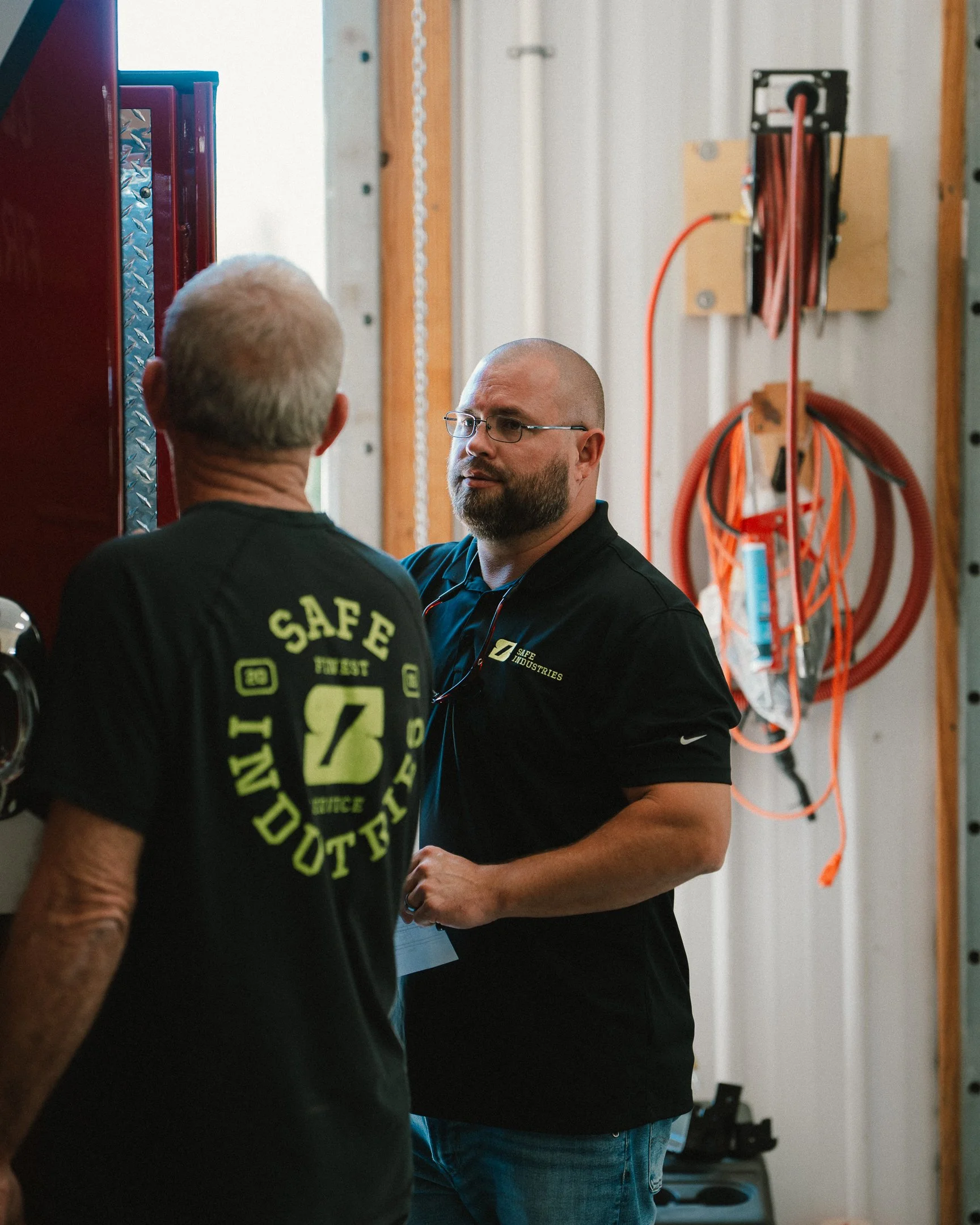
Who is Cory Strength?
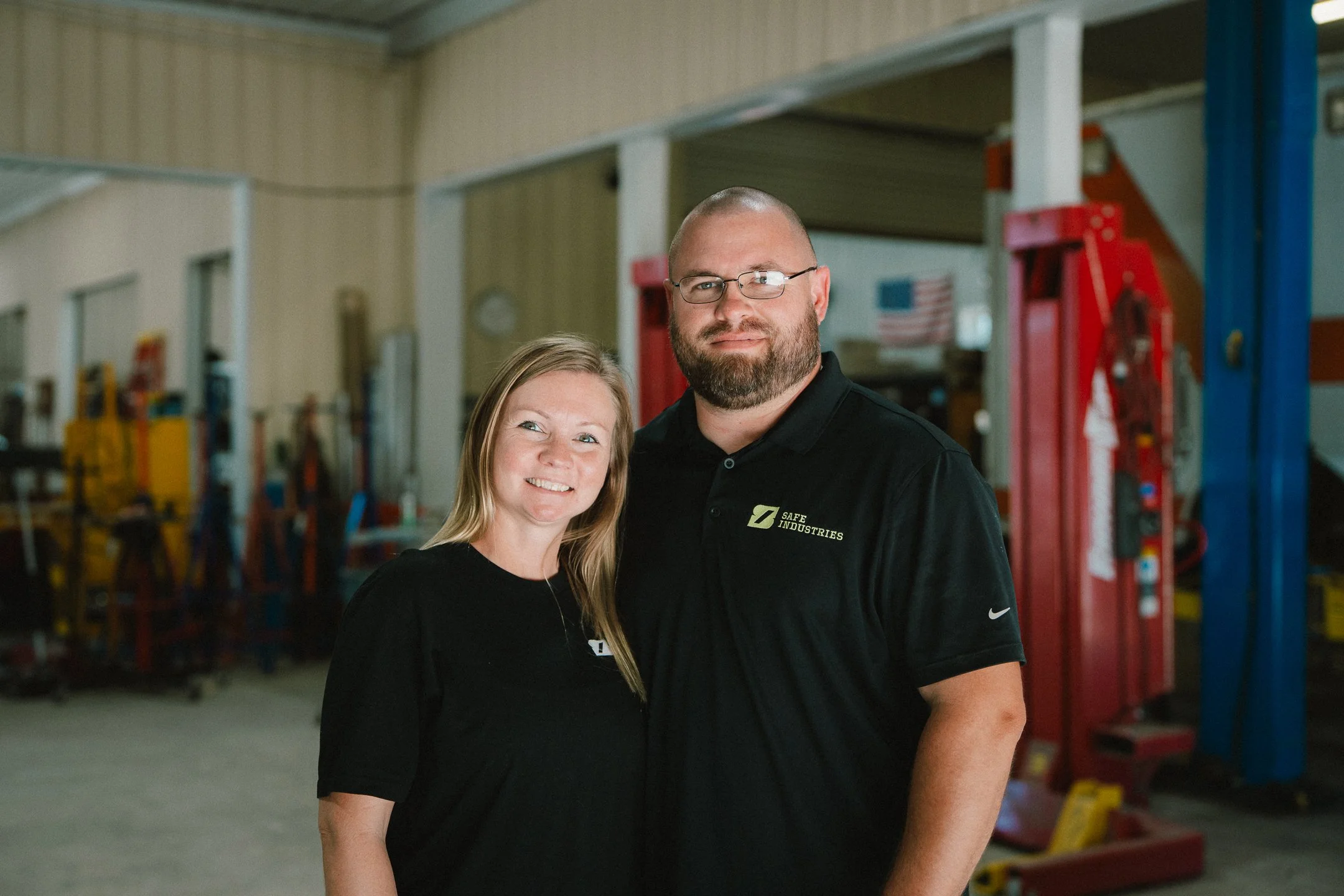
Cory Strength
General Manager / Roanoke, AL
Twenty years in law enforcement, fire, and EMS. A phone call out of nowhere. A chicken finger restaurant in Roanoke. That’s how Cory Strength ended up at Safe Industries—and if you know Cory, that story fits him perfectly.
He’ll be the first to tell you he thought he’d spend his whole career keeping the peace in Alabama. Now he runs the Alabama shop, leads a team he’d put up against anyone in the industry, and his wife Erica—who walked away from a 17-year nursing career to join Safe—works alongside him. That says something about the place.
Here’s Cory, in his own words.
Before all this - what did you think your career was going to look like? How’d you actually end up here?
My career was in Law Enforcement; Fire & EMS—I was 20 years into it. I thought that’s what I would do forever. I got a call one day from Mr. Brock Butts telling me that he was selling his business and the owner of Safe Industries wanted to meet with me about taking over a management position at the Roanoke location. I agreed to meet with Mr. Willimon—at a chicken finger restaurant called Guthrie’s. Al still picks on me about that to this day. But hey, Roanoke is a small town and when you come on a Monday it’s either chicken fingers or the deli at Walmart for lunch. We had a great meeting, and he invited me and my wife Erica up to see everything Safe had to offer. We were both blown away and the rest is history. September will be three years for me at Safe. Erica now works with us also - she is working on her second year with the company. Erica walked away from a 17-year registered nursing career to come to Safe Industries. That says something for the company in my opinion.
What is it about this industry—the people, the work, the mission—that kept you here versus doing something else?
Going from working alongside police officers, EMTs, and firefighters for 20 years made this industry family to me. I grew up around the industry so it’s all I know. So now to be on this side of it - where I am still working with them in the aspect of serving them - is so much more impactful in my opinion. The fact that a fire chief, police chief, or EMS director knows he or she can call me at any time day or night with a problem and I get to facilitate the solution - that’s what drives me to get up every morning and give it 110% every day. I have been in those trenches where you have worked all day and night, no breaks, no food. And all you want is good and reliable equipment. And when something breaks or tears up, it has to be fixed ASAP. That’s where we come in to save the day - or night. There is nothing in this world like serving the ones who serve.
Describe a normal day in your world. The real version, not the polished one.
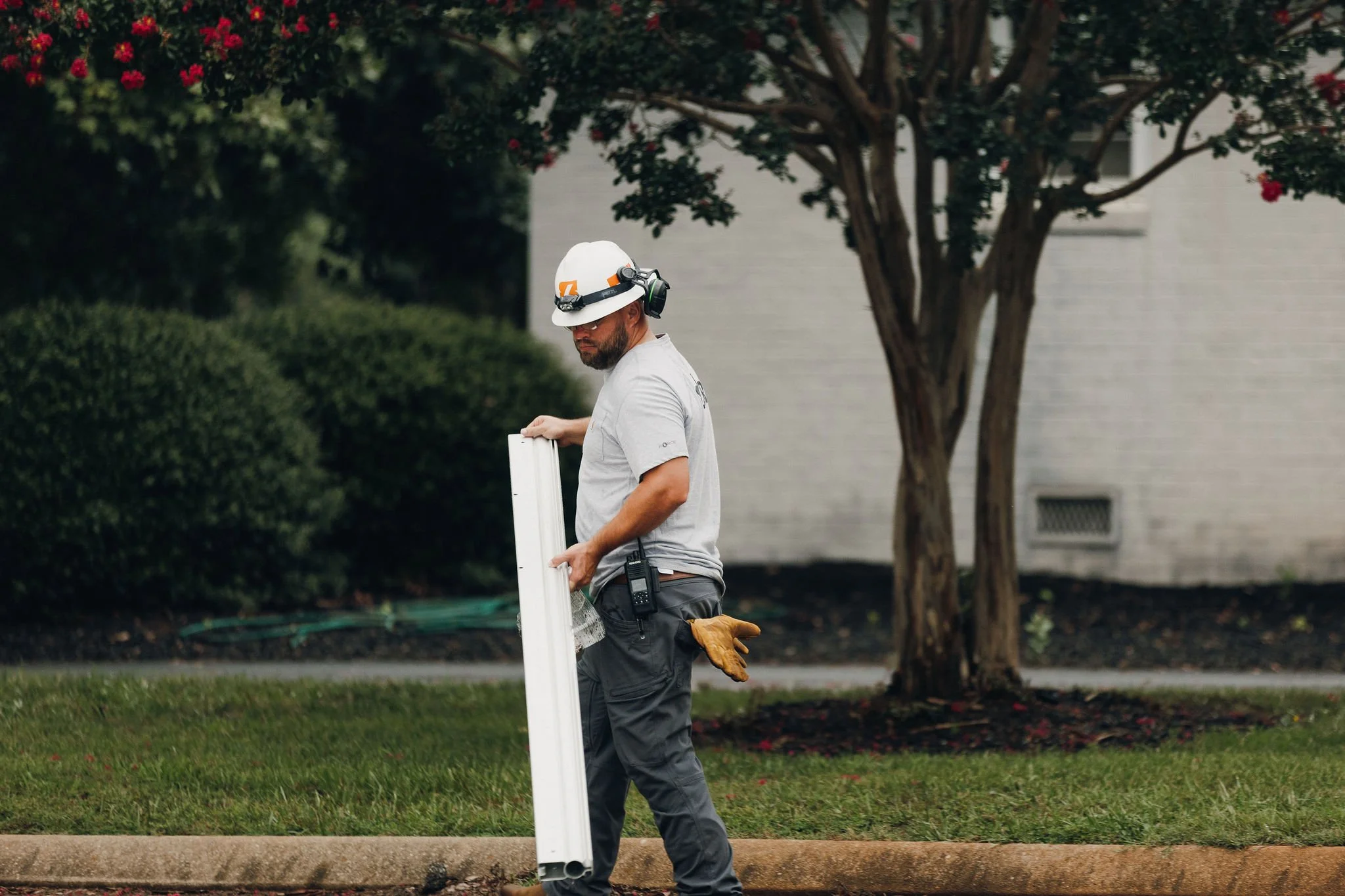
Coming into the office with 8–10 emails from the sales team. No, just kidding. A normal day for me is to get to the office before the sun comes up, when it’s nice and quiet. Unlock all doors, disarm the security system, turn on all lights and the air compressors for the techs. I also do a walk-through of the shop to make sure everything is in order. Then I will head over to the office to start reading my emails, checking reports, and going over the production schedule. Once it’s time for the technicians to arrive, I will meet them in the wood shop for our toolbox chat - this is where we go over all assignments for each person for that day. Once that is done it’s back to the office for the daily grind of working on new deals, putting out fires as they come in, and taking care of customer needs.
What’s something about your job that people on the outside would never think about or appreciate?
The time and effort that it takes to stay ahead of the game. It’s not just the jobs we are working on right now - it’s the jobs we will be doing years from now that I have to focus on. Also creating new and maintaining the ever-growing customer base company wide.
Is there a specific moment—a job, a customer, a situation—that kind of sums up why this work matters?
Yes. Chris Horn, Battalion Chief with Center Point Fire Department, challenged me to get their rehab truck done by a certain day - 20 days early - so they could use it for public relations at an event he was hosting. This truck was decked out with two A/C units, a TV, coffee maker, a refrigerator, and a camper awning. We got it done for him - and within 24 hours of taking delivery of that truck, his department was called out to a fully involved apartment fire. They were able to use this rehab unit to take care of firefighters and other emergency personnel that got overheated during the battle. What we do matters.
What’s something you built, fixed, sold, or pulled off here that you’re genuinely proud of?
I was able to form a relationship with the Wadley Police Department and talked to them about possibly doing upfits on their fleet of pursuit vehicles. We won that job and successfully got it done. I am also proud of the trust I have built with the team we have here in Alabama. I would put this team up against any other remount facility in the world.
Is there a person—a mentor, a coworker, a boss—who shaped the way you work or think about this job?
Yes - my uncle Jon Strength. I have always looked up to him as a man and father. I spent many summers staying with him and working for him at his civil engineering firm. He taught me so much about being a good man and father. I also watched him get up every day and give it his all no matter what was going on around him. My dad Don Strength also taught me at a young age the value of a good strong work ethic. I watched him work 3–4 jobs to provide for our family of five. When all my friends were out doing what kids do, most of the time I was doing yard work or cleaning the garage out - only to put all the junk back in, just organized better.
What did this company or this role look like when you first came on board vs. now?
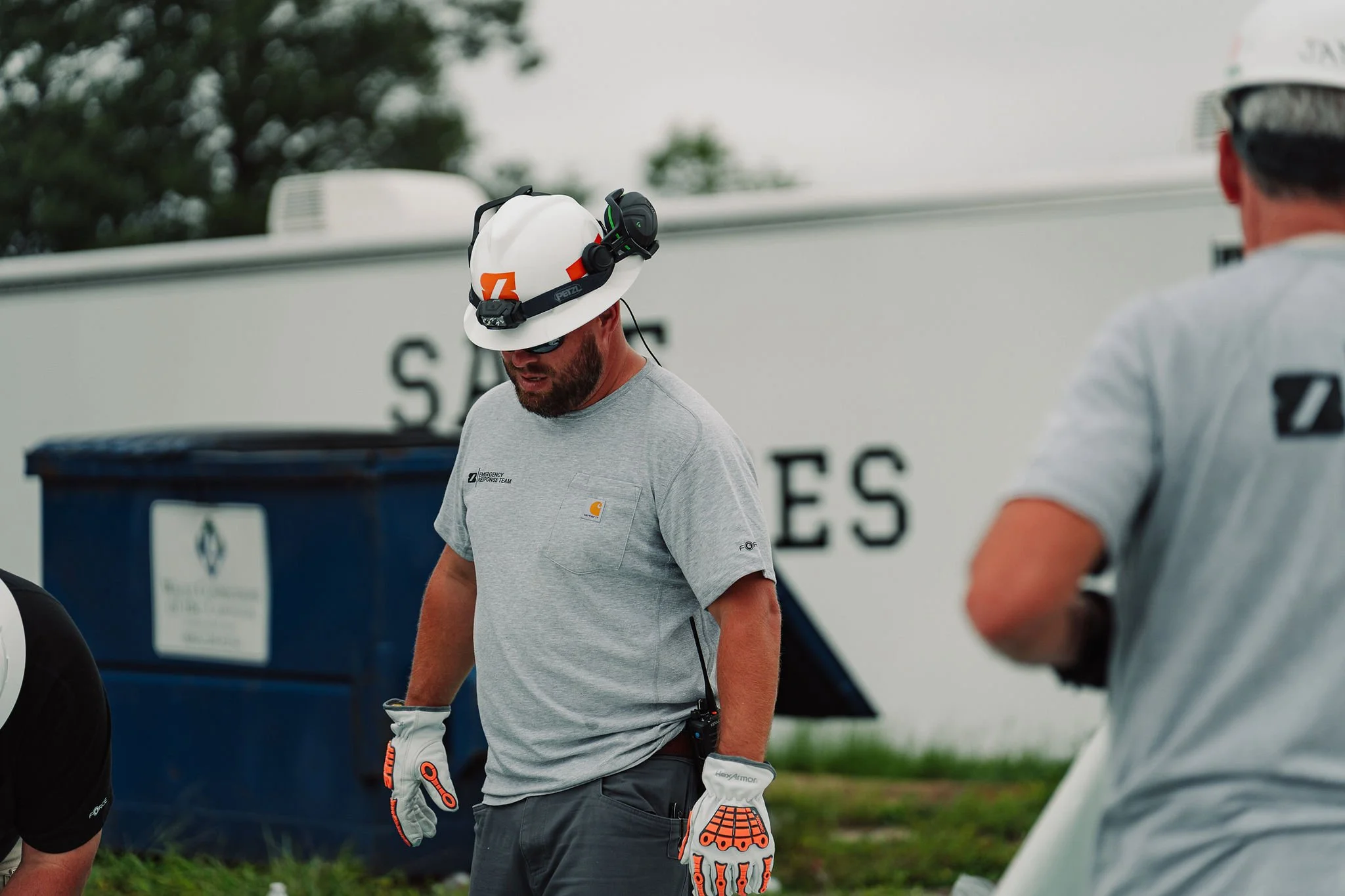
This company was a lot smaller when I was hired - so it was just me running the show at SEC. I handled everything on the management side of the house. Since the ERT was started I have been able to hire an operations manager, Chris Harmon, and that has been a big help. I am in the process of training him to run the shop in the event that I am gone on a deployment - because the emails and phone calls do not stop just because I am away from the office.
Has there been a stretch that was genuinely hard— where you had to dig in? What did that look like?
Every day in this industry is hard. It takes a dedicated person to come into the office every day knowing you are going to have your teeth kicked in right off the bat. But at the end of the day, when I get that handshake or thank you from the customer, it’s all worth it.
What’s the best thing anyone’s ever told you about how to do this work or carry yourself in it?
I was told by a coworker that I have a different way of communicating with people - that it really seems as though I truly listen and care. And that they see the effort I put in day in and day out, behind the scenes and on the front line.
What do you want people to actually remember about the work you’ve put in here?
That I did everything to the best of my ability every day. And that everyone was treated equally.
What Would you tell someone just stepping into this industry—the thing nobody tells you upfront?
You had better have one heck of a backbone and be able to deal with different personalities from one end of the spectrum to the other. Also, this is a big industry but a very close-knit community. The networking I have witnessed has been very impressive to see - from the people that have been in the industry for several years and the stories they tell.