What clients are saying about our services
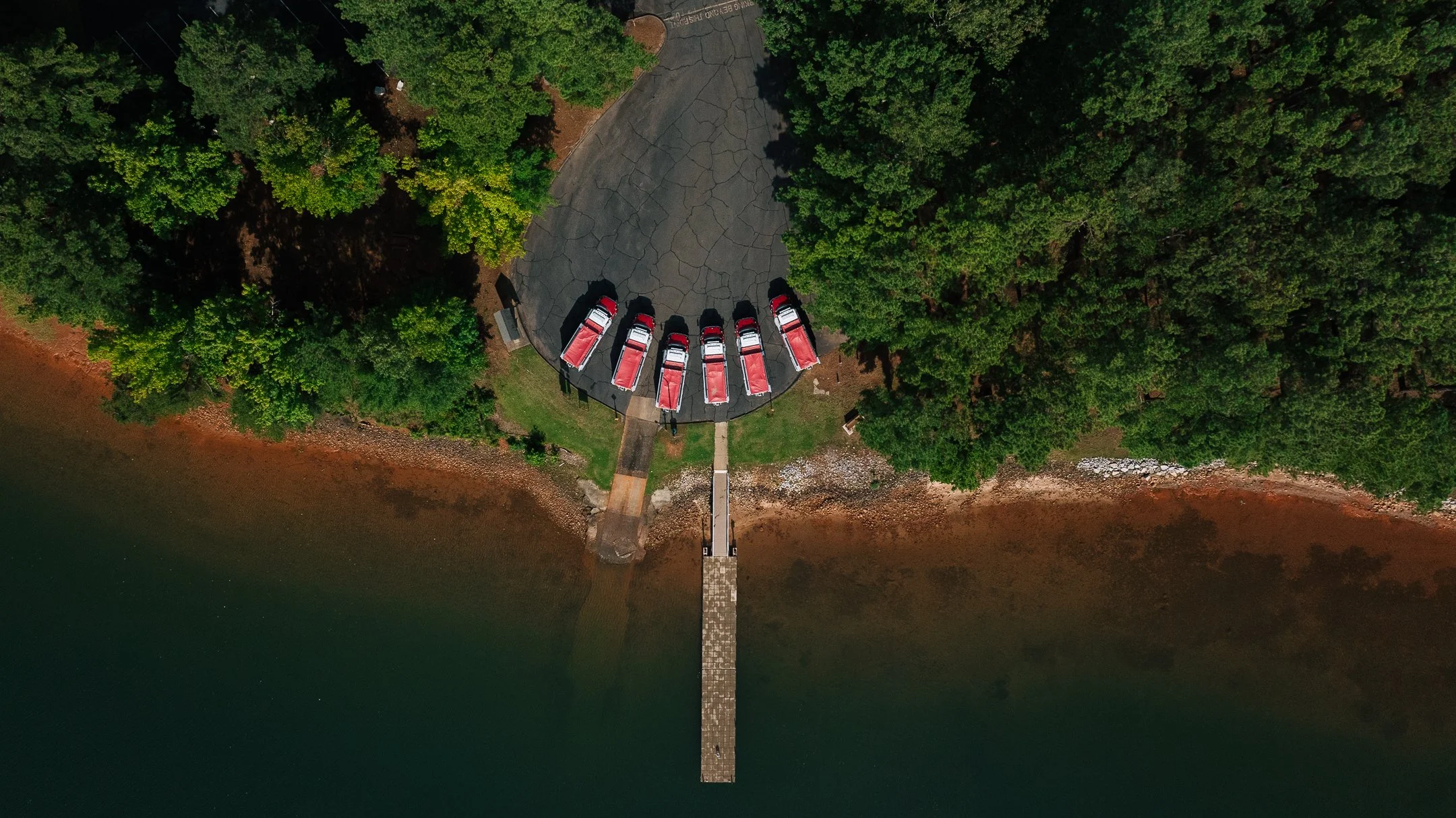
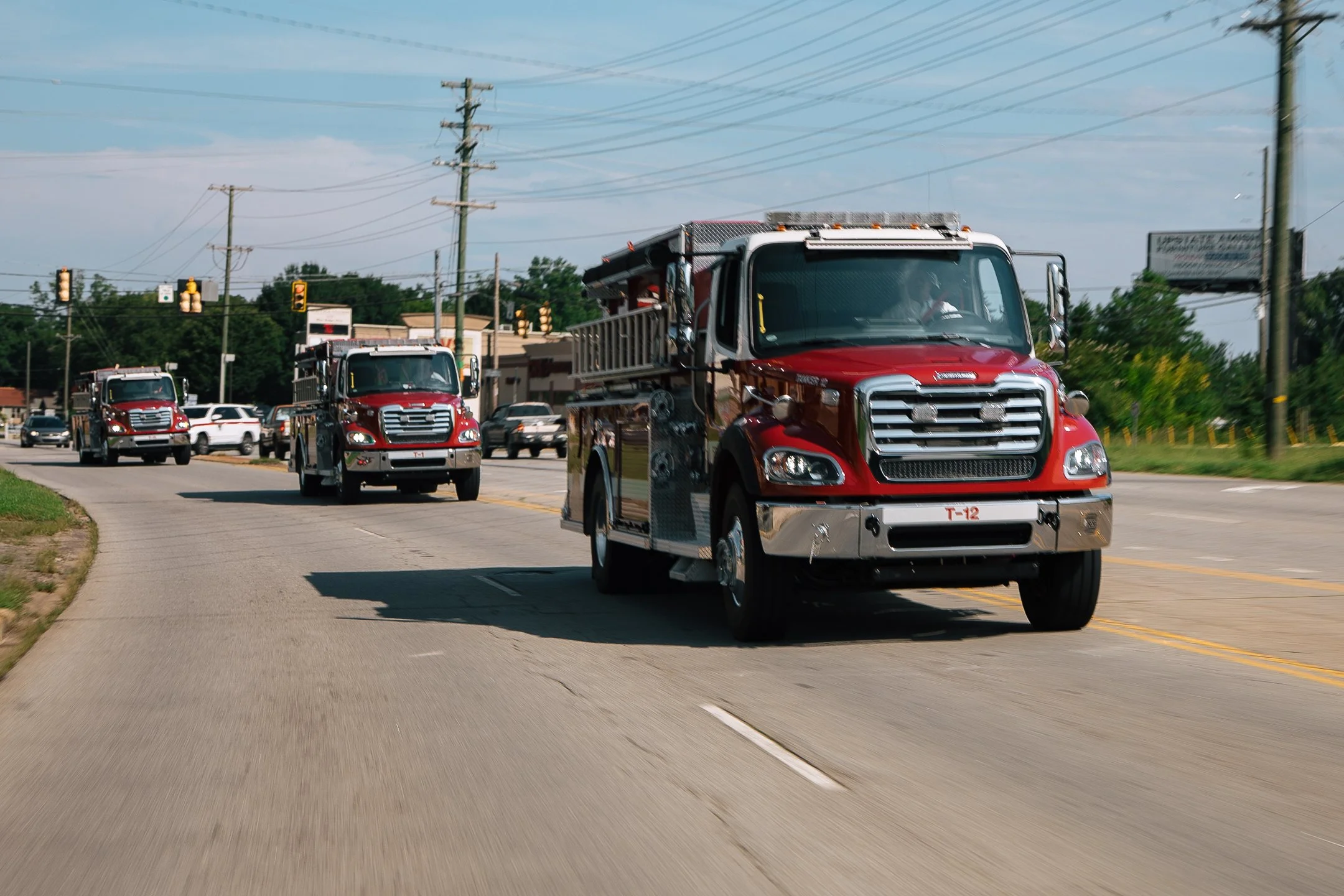
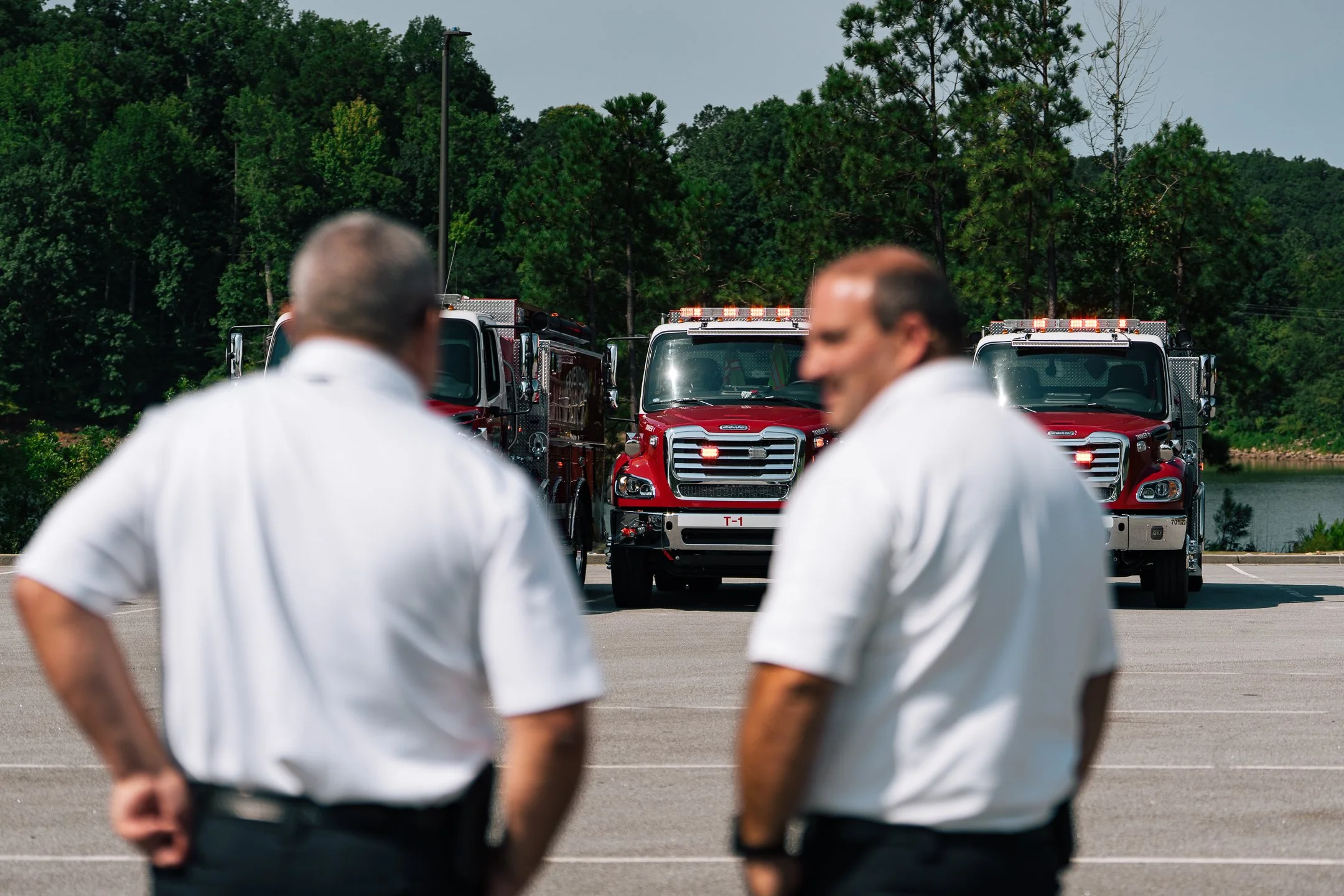
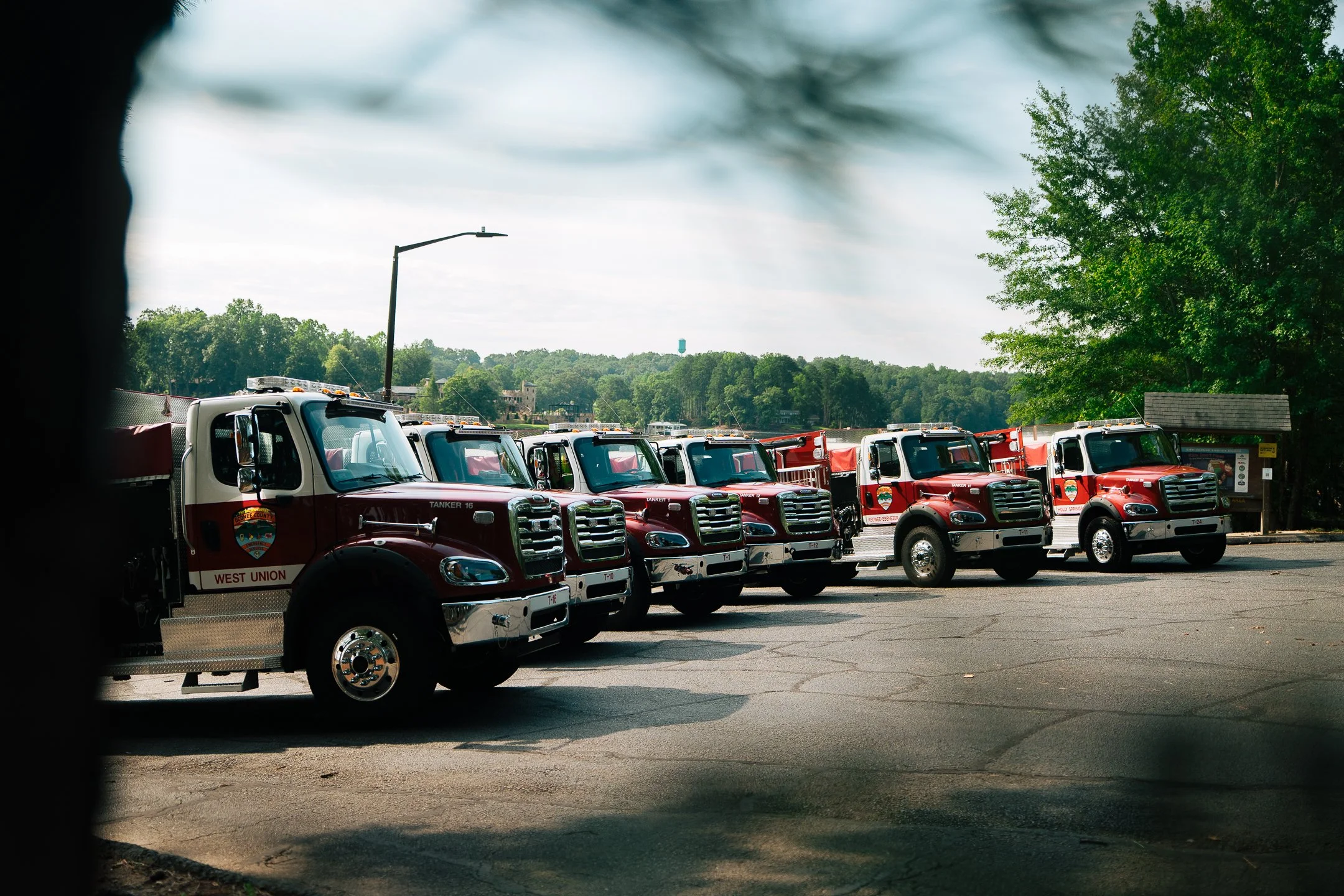
Oconee County's new fleet: tankers that can fight fire.
"Several times we've had where our tanker drivers would arrive on scene ahead of an engine, just depending on how quick the volunteers could get to their station," Smith said. "And those tankers weren't equipped to start fighting fire."
A 250 GPM pump wasn't enough. The crews would pull up, see the fire, and must wait for an engine to arrive before they could do anything.
"That looks bad to a homeowner when you're just sitting there waiting on the engine to get there," Smith said.
THE SOLUTION: A TANKER THAT'S ALSO AN ENGINE
When it came time to replace the fleet, Smith and his team wrote specs for a different kind of truck, one that could do two jobs. "We decided that we needed a tanker that could haul water, but yet could still be functional as an engine. So that's why we come up with the specs for what we have," Smith said.
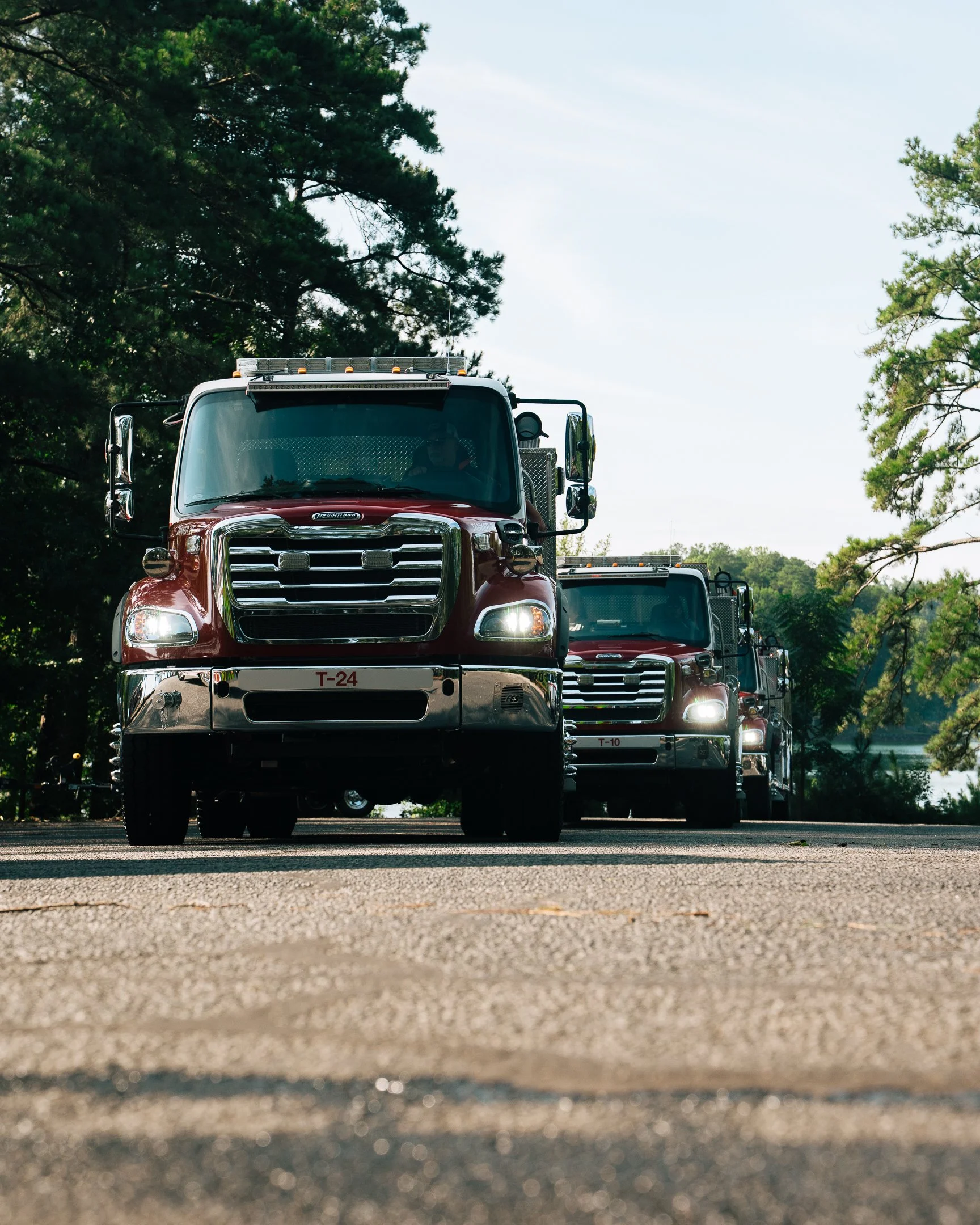
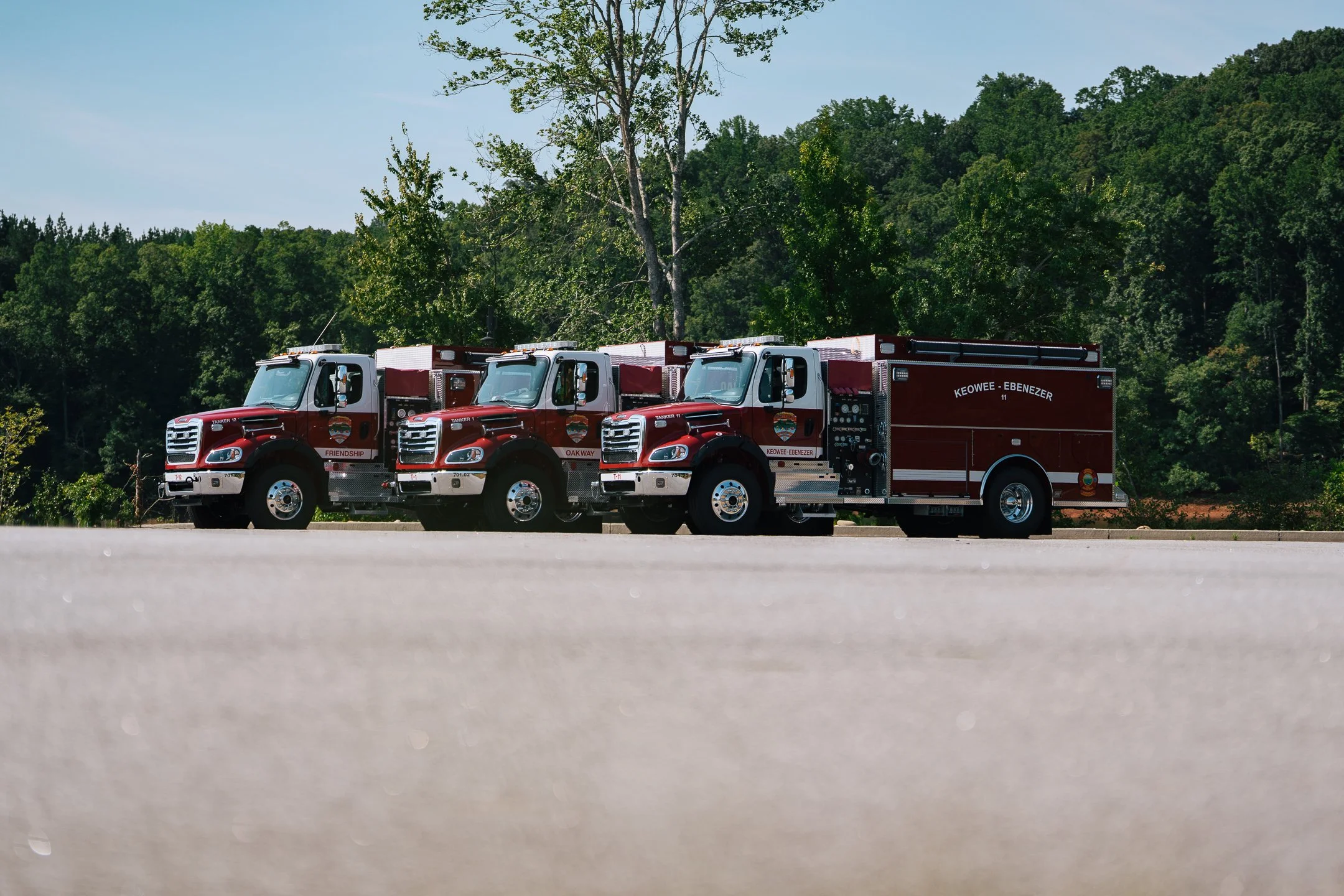
Oconee County purchased six new tanker-engines in this round, with plans to buy three more this year. They're working on funding for the remaining two to complete the fleet.
THE SPECS THAT MATTER
Smith's non-negotiables for the new trucks:
Minimum 1,000 GPM pump
Cross lays for quick attack
Ability to dump water off three sides
The team also went with a larger Freightliner chassis than past rigs, with a larger engine and larger transmission, to handle the county's mountainous topography while hauling 2,000 gallons of water.
Each truck came equipped with four air packs, ladders, and the minimal equipment needed to function as an attack engine when it's the first truck to arrive.

WORKING WITH SAFE AND FES
The build came together through Cameron Marler, Safe's sales rep, and the FES (Fire Equipment Sales and Services) team.
"Everything that we wanted, he made sure it was in the truck, was in the bid, or in the spec," Smith said.
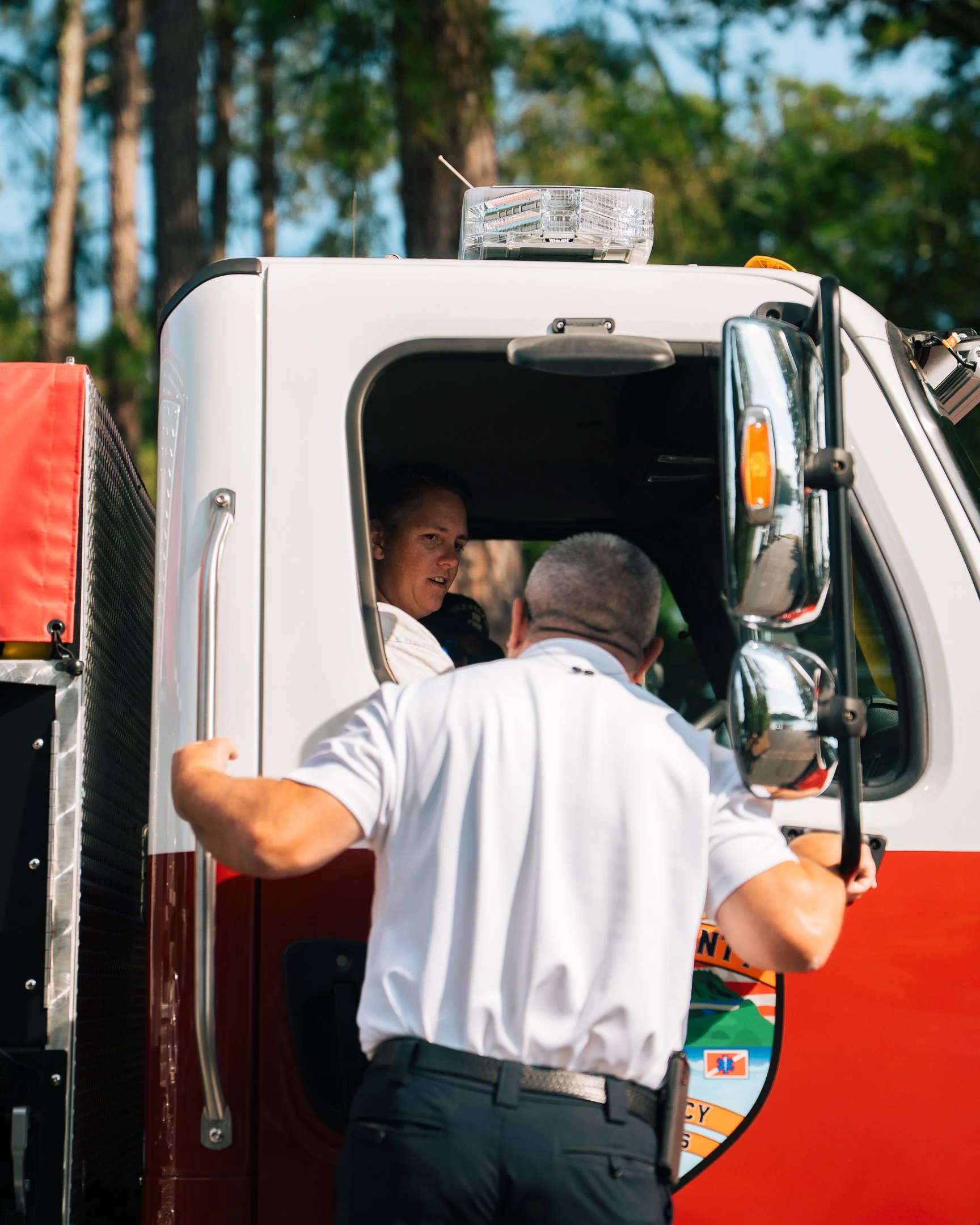
When Smith's team traveled to inspect the trucks and found details that weren't quite right, FES made the adjustments. The first truck they inspected had a step that was too high for one of their volunteer members to climb into.
"FES said, 'No, we're going to custom make a step lower than that to get you in the truck,'" Smith said.
Oconee County has been a Safe customer for both apparatus purchases and warranty service.
"This is not the first experience that we've had with Safe Industries and purchasing a truck. And I would highly recommend it. From start to finish it's been good. I have no complaints."
WHAT THE FLEET MEANS FOR OCONEE COUNTY
Oconee County covers 22 stations across municipal departments, county volunteer departments, and emergency service staff stations. The county runs between 10,000 and 12,000 calls a year across a mostly rural landscape, with national forest land covering the western and northern parts.
Smith summed up what the new fleet means in a word: functionality.
"These trucks can change the way we operate because these trucks can now roll out first and not have to roll an engine necessarily first. So these trucks can function as that attack engine."
The old trucks aren't being retired. They're being redeployed to substations that didn't previously have tankers, where they can still serve as water haulers.
THE STAKES
Smith was direct about why the right truck matters.
"If the trucks don't work, then the fire is going to be more devastation to the structure. If there's somebody trapped inside, then they could perish if we can't get in there.
If we don't have the proper tool with the water, with the firefighters with their tools and their equipment to get inside quickly, then it could be devastating for human life and or the structure."