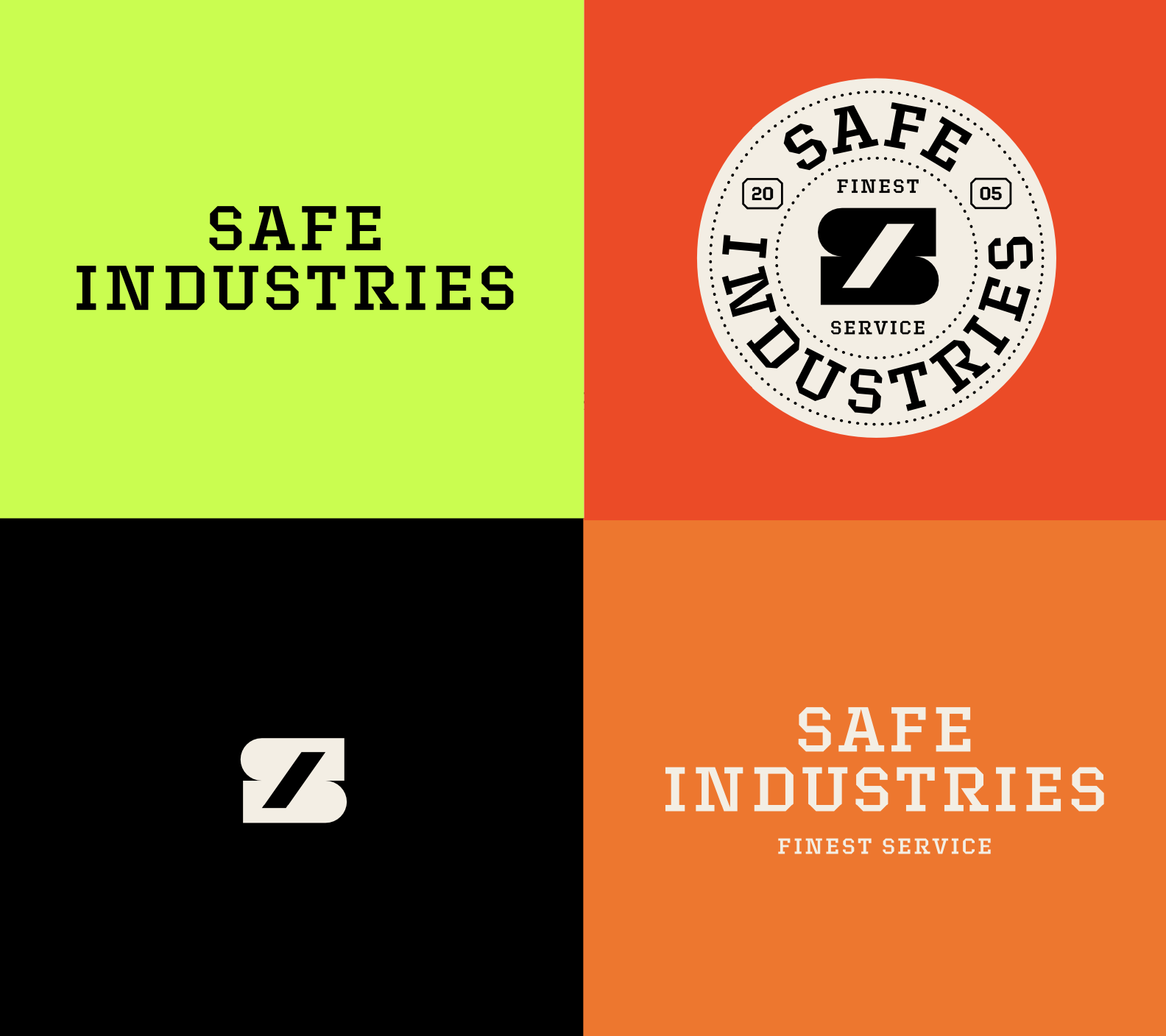
Why the Safe Industries logo?
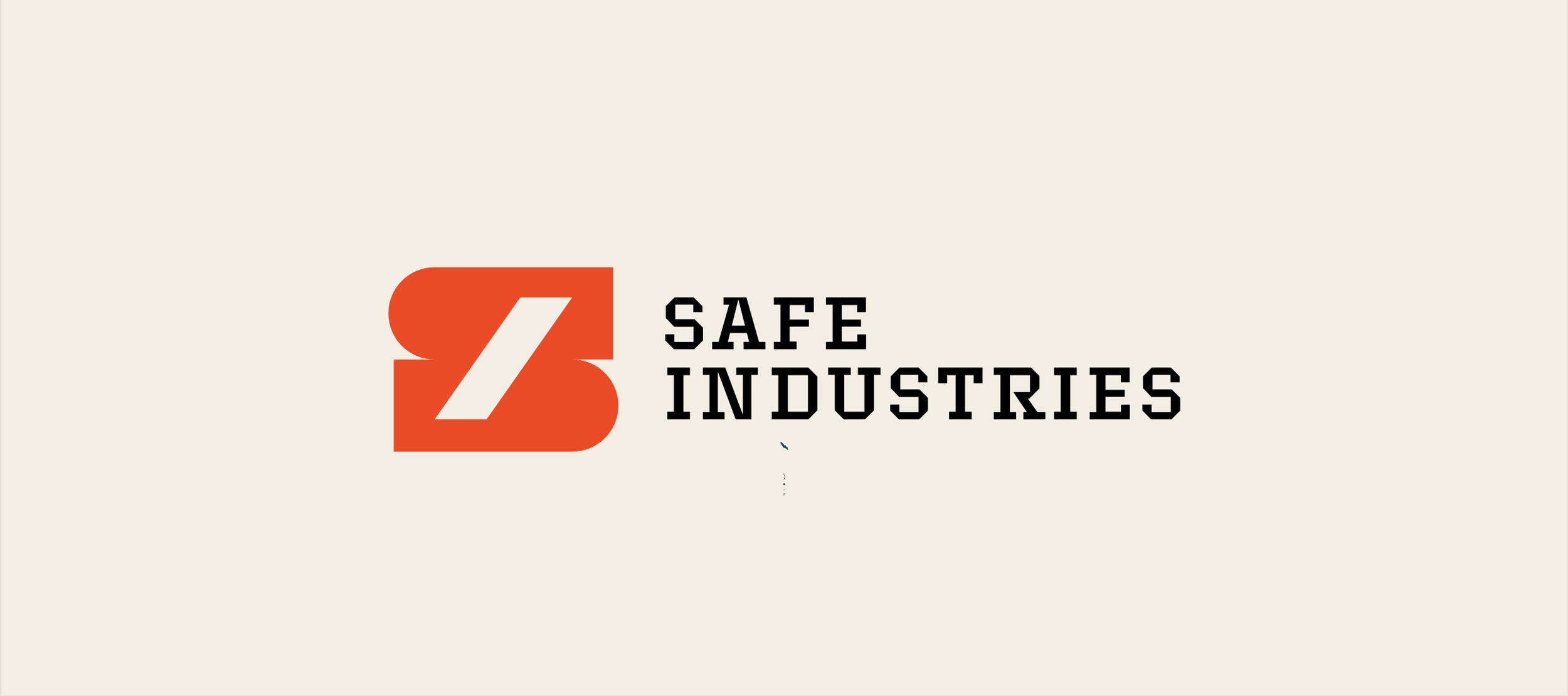
Cody Bridenbaugh, Owner and Creative Director of Made by Harvest, is the mind behind the Safe Industries logo and rebrand. Every sharp flyer at a show, every booklet, every logo on your shirt—that's his work. But here's the lore: when Cody first presented the rebrand to the VP's and Al, they weren't sold. He was told to come back in two weeks with something new. Two weeks later, he walked into the same conference room and said "here's your new logo" — same logo, not a pixel changed. Al's response? "If this guy is willing to come back with the same logo, maybe it's worth a second look." The rest is history, and it's on your shirt today.
01. What was the core concept or feeling you wanted the logo to communicate, and how does the final design reflect that?
At every turn, I want the logo to communicate confidence in who we are at Safe Industries. The products and process may change and it probably should with time. What’s rooted and will always remain is our commitment to honoring individuals and having a solid foundation of service. I want the logo to be a sense of pride for our team and to be clearly recognizable by our partners and peers.
02. What’s are the elements of the logo that someone might not notice but that are important?
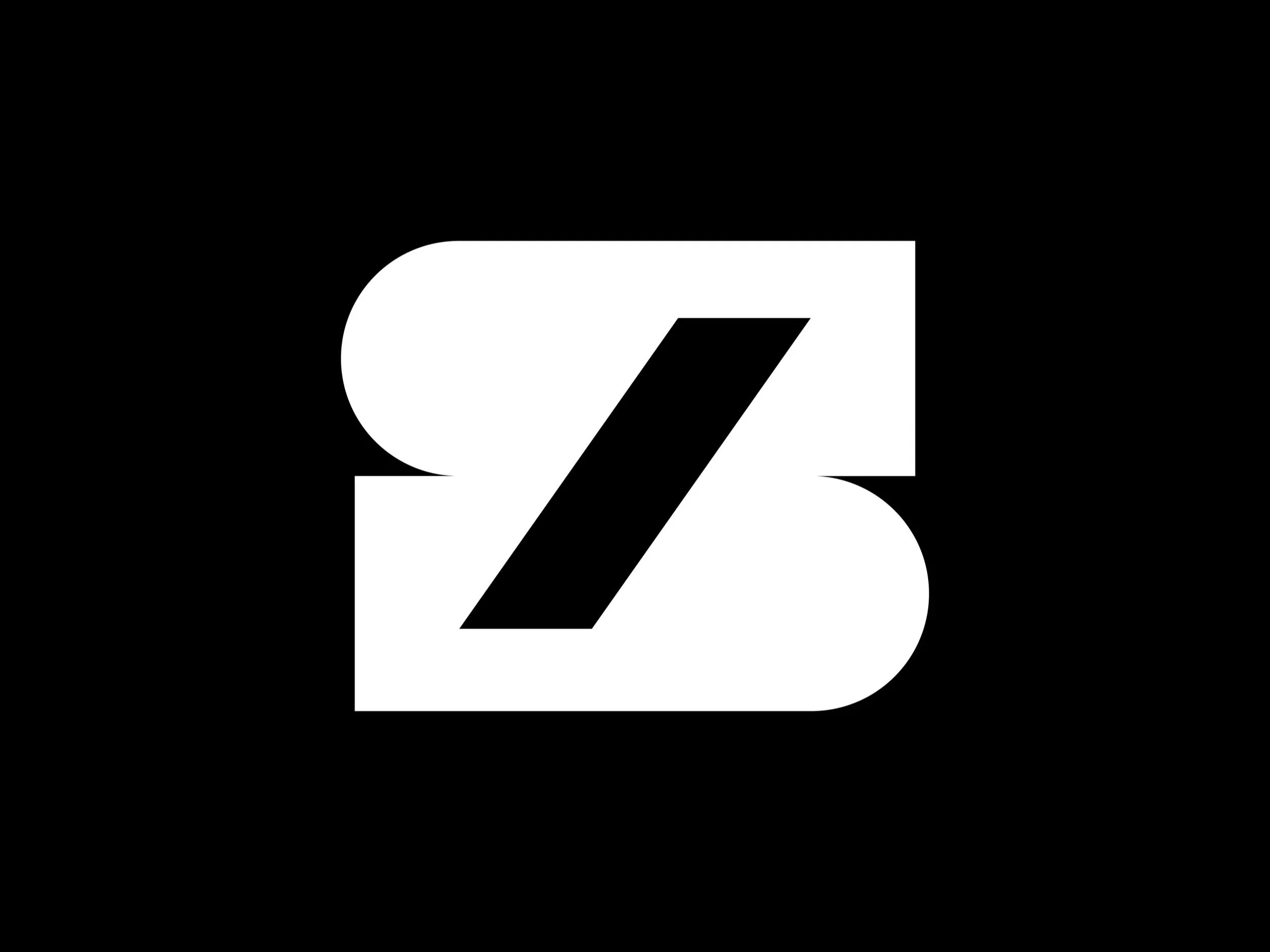
In addition standing for “Safe”, the outside “S” in the icon represents the foundation of service that is the core of the mission. In addition to standing for “Industries”, the forward leaning “I” represents honoring the individuals at the center of that mission.
03. What’s your process look like for designing a logo? Does it start on paper or digital?
For me the process begins and ends with the individuals that I’m working with. I want to understand their mission, how they think and most importantly what they need the logo to accomplish in order to help with their goals. Logos are ultimately a form of communication and I believe the clearest communication starts with keeping the identity of the organization at the front. I let that drive decision-making as I get into competitor analysis, sketching, and ultimately refining the designs digitally.
04. Who’s your biggest inspiration?
I grew up on an apple orchard in rural Pennsylvania. There’s so much about how I approach design that’s inspired by blue collar work ethic and the rhythms and seasons of growing fruit. I’m inspired by people like my dad who showed up every day and did the hard work. Sometimes it goes unrecognized and there’s a quiet strength and an authenticity that comes from places and people like that. It challenges me and inspires me. Deep down, I hope to take a small part of the lessons and beauty of the orchard with me into every project that I work on.
05. What decisions went into the typography and color palette, and how do they reinforce the logo's meaning?
The typography was chosen for maximum legibility and to allow the primary logo (S icon + word mark) to visually stand out. Two of the colors we chose were “Safety Orange” & “Safety Yellow”. Both of those are established in the industries that we serve. The color palette allows us to be relatable and to stand out in our industries. Any time we can make decisions that connect with an existing visual language, we win because it will gain recognition at a faster rate. Repetition leads to recognition. Recognition leads to accomplishing more of our goals / objectives. At the end of the day, I believe every visual should exist to support and further the mission.
06. What’s the important of design when it comes to how something will be used other than on a website?
A great mark that stands the test of time has to be adaptable. It needs to look great at .25” and look even better on the Jumbotron at a football game. As a part of the process, I work to test and make sure the designs can work well at scale and on everything as detailed as a patch and minimal as a social media profile image. If a logo can hold up 85% of the applications, I feel pretty good. The truly great logos have held up in 95%+ of the applications that are mission critical.
07. How did you know the logo was going to work after the first event when you were told to remake it?
Sometimes there are designs when you know in your gut that you truly won’t be serving the client well unless you try again. The Safe Industries logo was one of those designs. I want the very best result for any client that I work with and so I always take a look at the potential holdups when work isn’t accepted. I knew it was intentional and when I examined our goals again, it checked every box. I also believed that because the changes were so drastic in comparison to the old logo, that made it hard to immediately approve / adopt. Based on those factors I was felt a conviction that I needed to have one more presentation to see if it was received differently and thankfully it was!