Who is Mr. Jack?
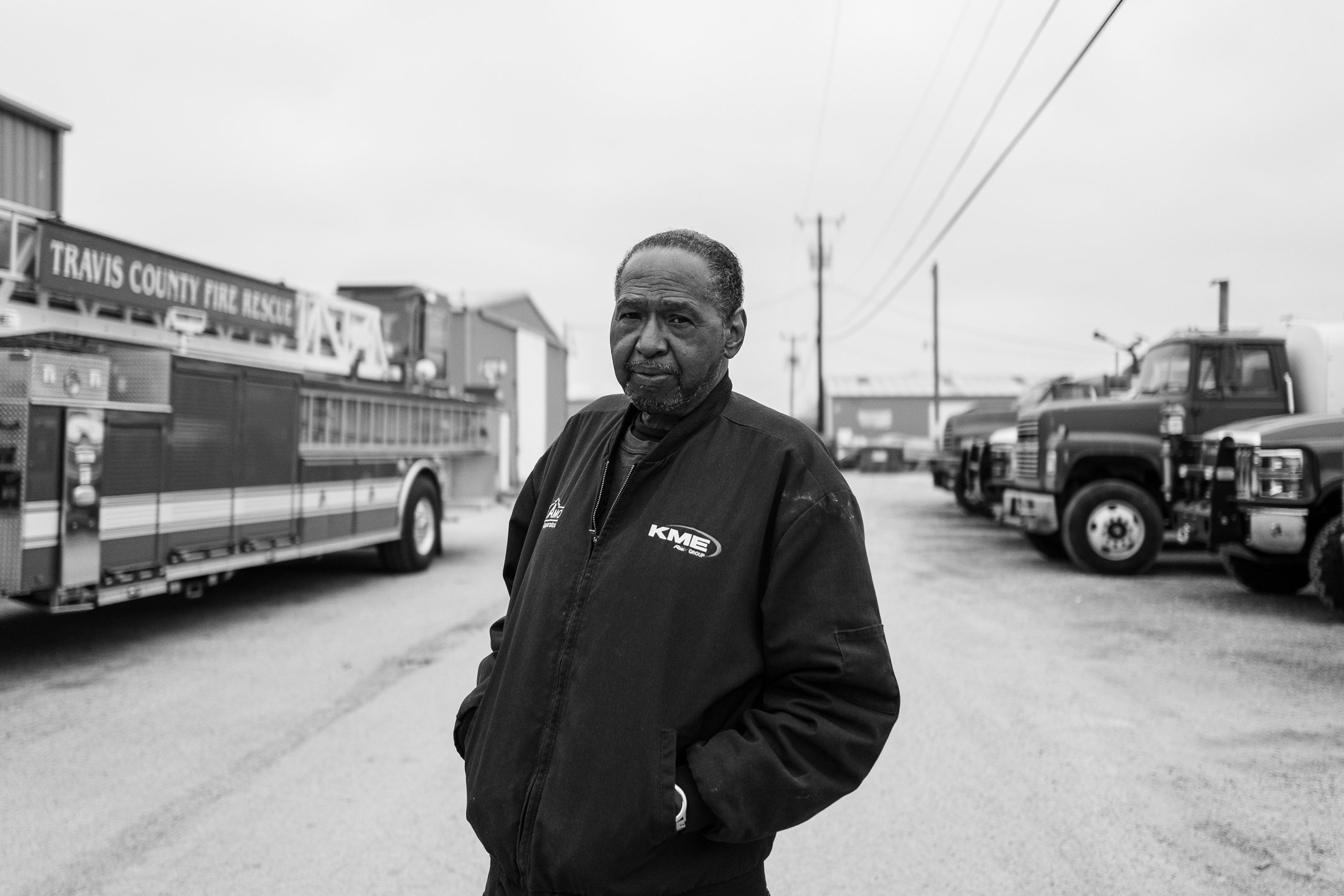
Meet Jerry “Jack” Drake
Building Maintenance. Bus driver. A/C tech. Fire truck builder.
The shop wakes up slowly.
Texas birds cackle on the lines as Amazon delivery drones buzz overhead—passing the San Antonio shop on the way to who knows where. Steel doors roll open. Fluorescent lights flicker on. Somewhere in the back, a hydraulic press hums to life and the smell of cut metal and welding smoke hangs in the air.
Before long, another truck will roll out the door, headed somewhere else - a volunteer department, a brush crew, a town that needs it. For decades, Jerry “Jack” Drake has been part of that rhythm.
Like a Jackrabbit
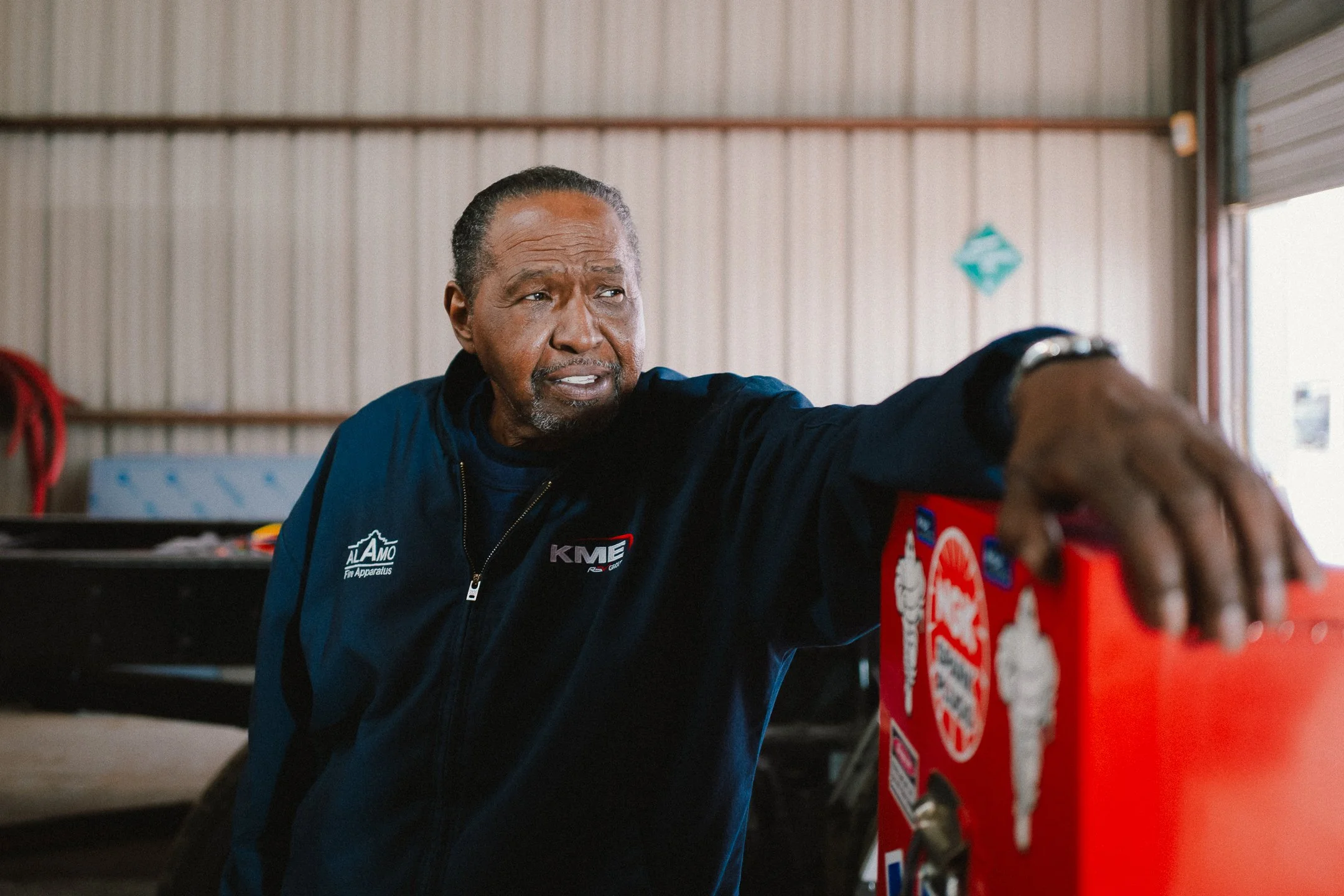
“My name is Jerry Drake. Well, see, Jack is a nickname. I got that playing ball in high school and stuff. I was playing basketball. I played center, and I probably was the shortest center in the league.
But I could jump with those guys, and I jumped faster than they could, and I’d get to the ball quicker than they could.
That name just stuck with me all through high school and football. They used to throw the ball up in the air and I’d go get it. Well, like a jackrabbit.”
Jack’s working life didn’t begin in the fire apparatus world. Long before the trucks, he spent years behind the wheel of a bus—and years before that, keeping city buildings running.
Like most careers built on hands-on work, it didn’t happen according to a plan. It just happened one job at a time.
“I wish I’d written my name somewhere underneath those trucks. I don’t know how many I’ve built.”
Where the trucks began
“Well, I left Houston and I came here to San Antonio in 2005. Got here in February and started looking for a job.
I started working for Jerry in March doing this stuff, and it was a small outfit because we only built about twenty-seven to twenty-eight trucks a year.
I worked for him for three years, and then he sold the company to Siddons. They built a shop right across the street from our shop- a big shop.
Over there I was building one truck a week, so I was building like forty to fifty trucks a year. Me and Paul.
He’s (Paul) been doing this for—I don’t know how many year—thirteen, fourteen years. He’s been doing it for a while now because his dad was the supervisor over there at the shop.
It was me and him building all them trucks. And we would build one every week. It only took us maybe three to four days to do it, and by Friday that truck was leaving.
Every now and then we built a big one, but it was mostly brush trucks. The Forest Service, they came in wanting eight trucks and me and Paul had to build them trucks. The news station came down there- we was on the news.
Then I worked there for about, I don’t know, four years.
So I knew Scott because Scott used to come over there to Jerry. Jerry had some little side work for him to do and I knew him. So I came over here with Scott.”
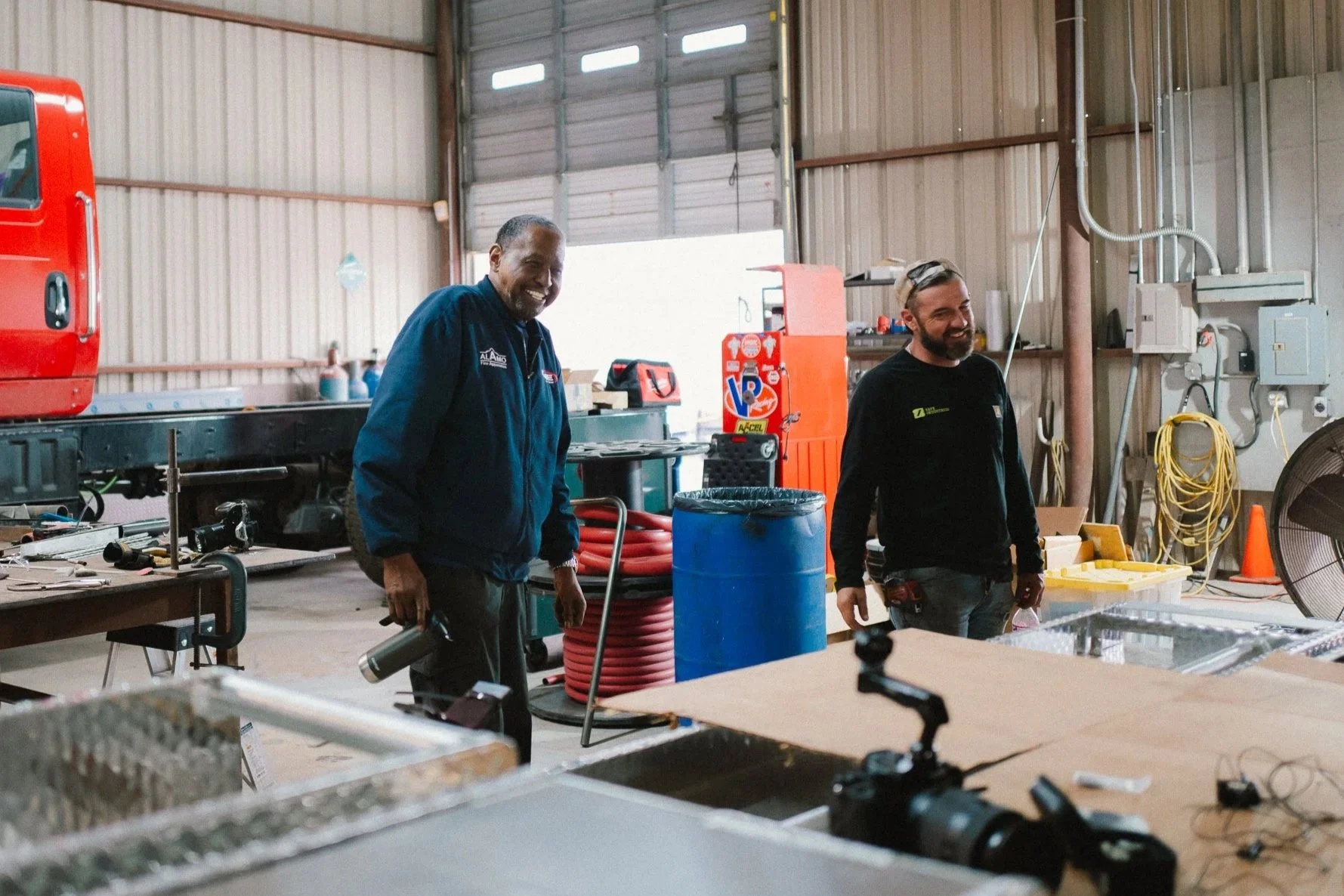
“And at one time it was just me and Scott in here building trucks. Then he started growing. When I came, it was me, Scott, Mike, and these other youngsters. And we would build the trucks. Scott would build the beds, you know, do all the wheeling and stuff.
Finally, he went on and got him a welder because he couldn’t do the office work and the shop work.
We were building about one truck a week. By Friday , that truck was leaving.”
Whatever Needs Doing
“Whatever they need me to do. I usually take care of the kitchen and this office right here - clean them up, sweep them for them - and then all the other stuff they need me to do.
Sometimes I help them build. Sometimes I drive these trucks because I drove buses for Greyhound and Trailways, so I know how to drive these trucks.”
From maintenance to buses
“Before the buses I worked for the City of San Antonio. We did maintenance over there. We took care of those buildings—changing pumps and stuff and just maintaining them.
I did that for seven years and then I started driving buses. So, I kind of went maintenance, buses, AC, then fire trucks.”
Behind the wheel
“I started driving buses in ‘79. Yeah. Did that for ten years—well, nine years. And then that’s when I moved back from Houston to here because of my daughter and my grandkids.”
From miles to machinery
“I just got tired of buses. We didn’t have no days off. Sometimes you worked till you dropped. And I got tired of that.
Finally, Trailways sold out to Greyhound. When Greyhound took over, they put all the Trailways drivers behind their drivers. If a man had seven months (I had nine years) he had seniority, so I couldn’t get my run back. They took my run from me and gave it to somebody else.
So I said, it’s time to go.
Then I went to school for air conditioning. I did air conditioning for about 17 years in Houston. We’d be doing 70, 80 story buildings—put all the ducts in there, all the air conditioning systems in there. Then I came to San Antonio and started working for Jerry.”
20+ years of trucks
“Well, to me, I don’t know if they really changed all that much.
They do here and there - like changing from screw-ins to halogens, halogens to strobes, and now LEDs. Water flow is better organized and there are a lot more wires. It’s still about the same because you still need a pump.
Even though this pump might be older style and this one might be newer style, you still need a pump. If they can make up something new to put on them, they will. Especially anything safety. But other than that, the lights are much brighter now.
And to me, they put more lights on them because some of these trucks look like a Christmas tree when you light them up. Now they got the Bluetooth packages too.”
Better to work than sit
“My body ain’t as great as it used to be—aches and pains and all that. But still, I want to do something rather than nothing.
When I first started working with Scott, I told Scott all I wanted was to work two days a week. But man, I never did until recently. I started two days a week once he hired those guys.
I’d get bored if I stayed home. I’d rather come in and do something…and I don’t mind working.”
Where the rubber meets the road
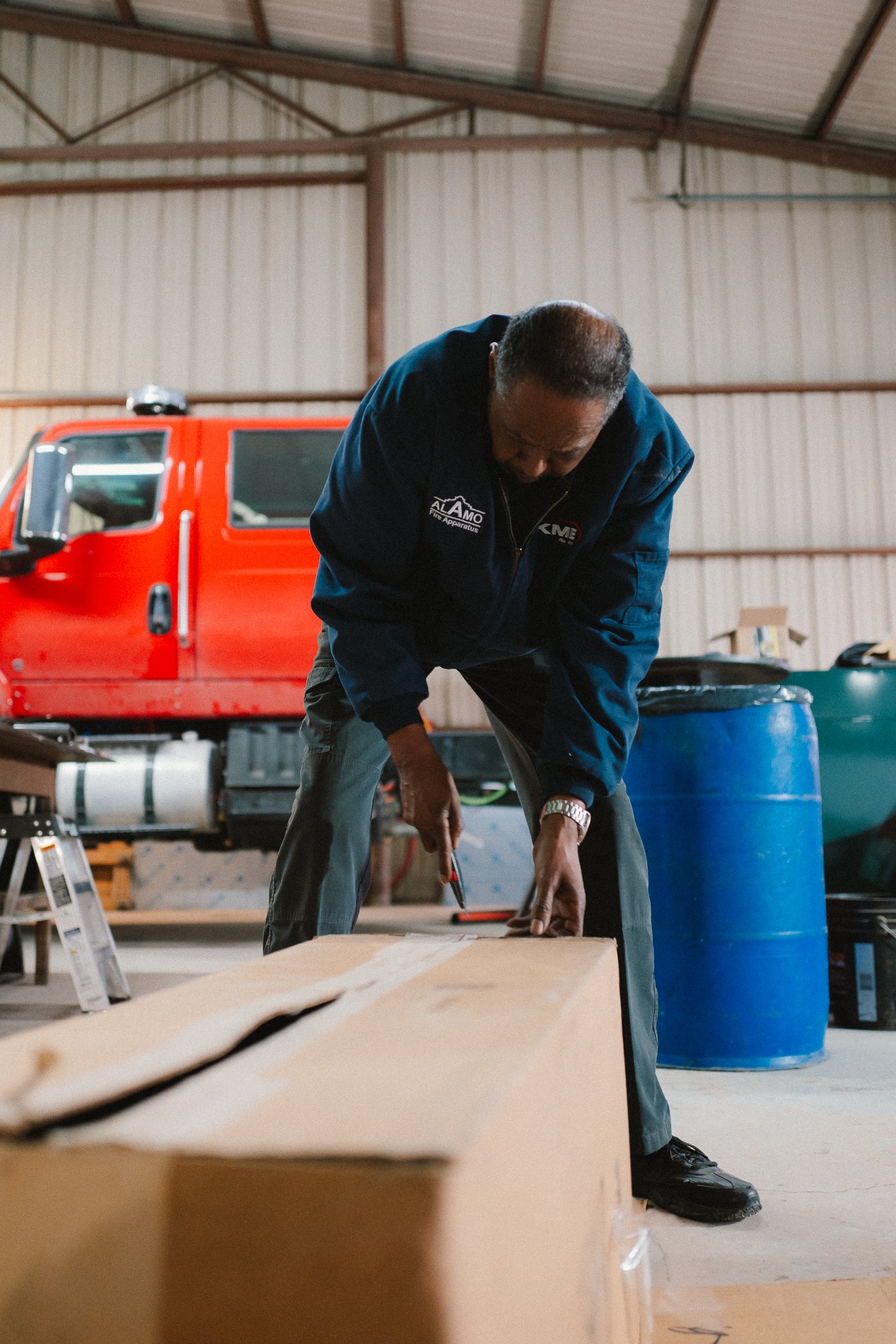
“It all depends on the person. Even I didn’t know nothing about it and they taught me. I was helping them guys do it until I learned how to do it by myself.
Once that happened, I started building and they stopped helping me build. They might help me with the pump and the tank. Once it was on the truck, I’d square it up and drill it down.
Then they’d do the electrical, because that can take a while with all the wires running to all the lights. I always liked it because once I got it done, I’d usually have to wash the truck.
The truck looked good when the people came. They always bragged about how good it looked, and I liked that.”
No fancy title
“You know, I always had problems with titles. I always just wrote down building trucks. That’s all I did.
When I was building for Scott, if we had everything, I had a truck ready in a week’s time. Bring it out there Thursday morning and they’d come get the truck. I’d wash it and have it ready.
They’d come see the truck and have big old grins on their faces. Big smiles.”
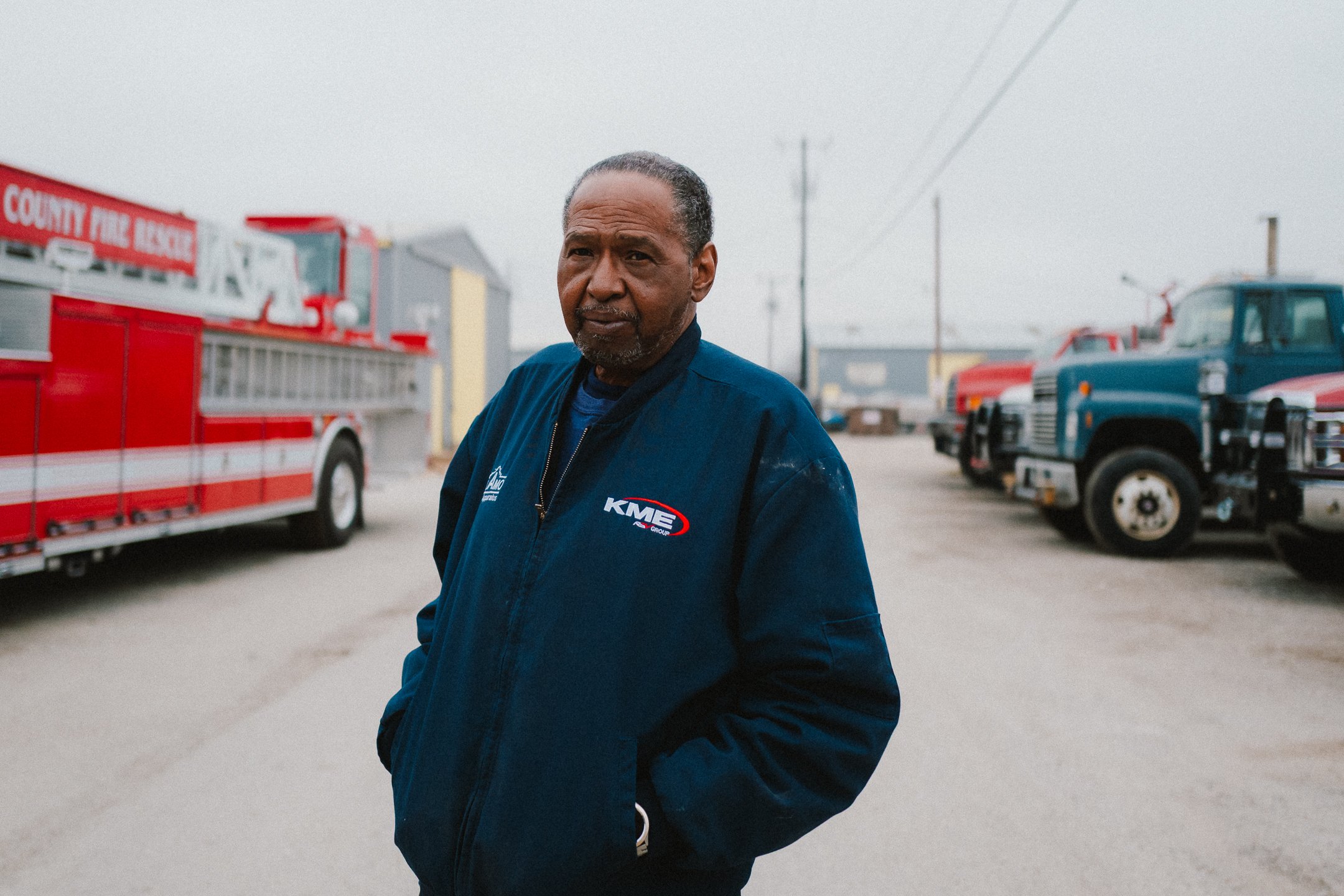
Advice for the next generation
“I would tell them just go ahead and do what you got to do. Wait your twenty years and have your retirement check. Because when you get old enough, you’ll get your Social Security check, but Social Security ain’t enough. Just enjoy it.
I’ve been lucky. I never really had bosses messing with me. I knew what I had to do and I liked it that way. Leave me alone and I go do what I got to do.”
“A new person just has to like his work. If he likes his work, then he should do fine.”
From maintenance work to buses, from air conditioning systems to fire trucks, Jack Drake has spent a lifetime doing the kind of work that keeps things moving. The trucks he built are scattered across departments in places he may never see. But somewhere out there, when the lights flip on and a crew rolls out the door, chances are good one of Jack’s trucks is still doing its job.