
Why does any of this matter?
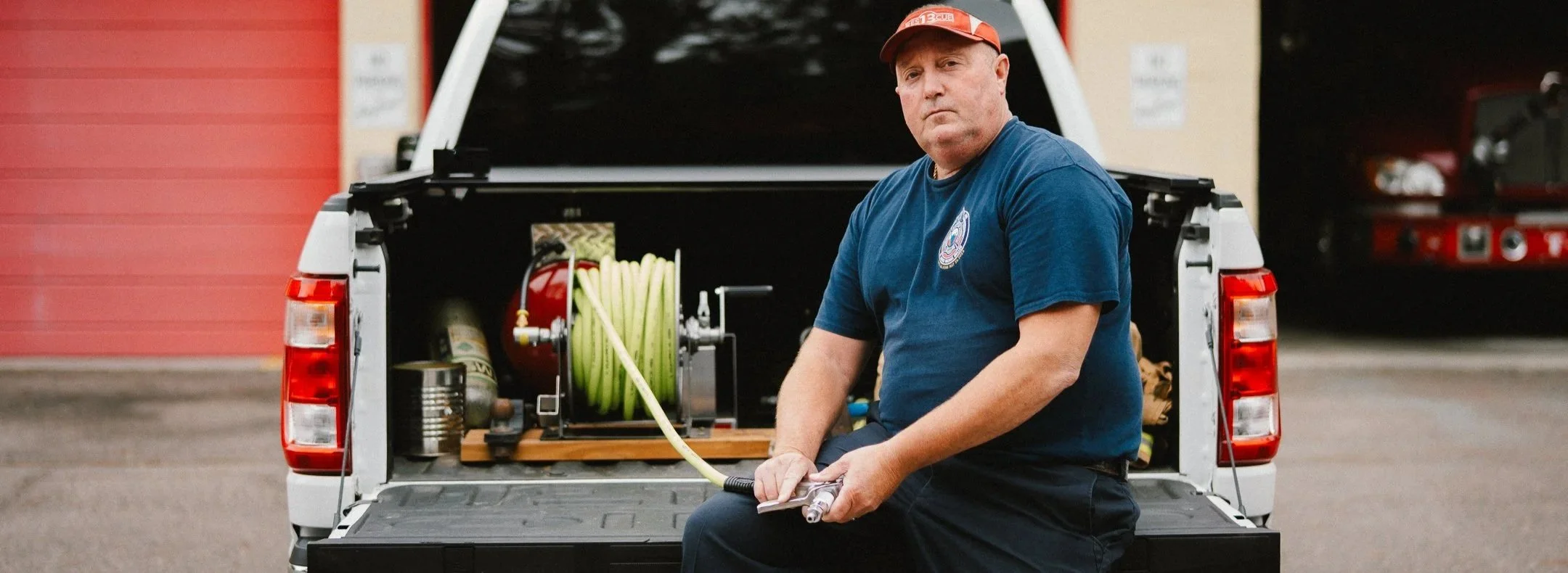
An interview with Chief Scott Grooms
To get to Eadytown, South Carolina, you leave I-26 and drift past miles of farmland.
Corn fields are stitched with white bags along the edges to keep the early-season deer honest. Soybeans turn from green to gold, cotton dots the woody fields, and Loblolly pines rise in perfectly straight rows.
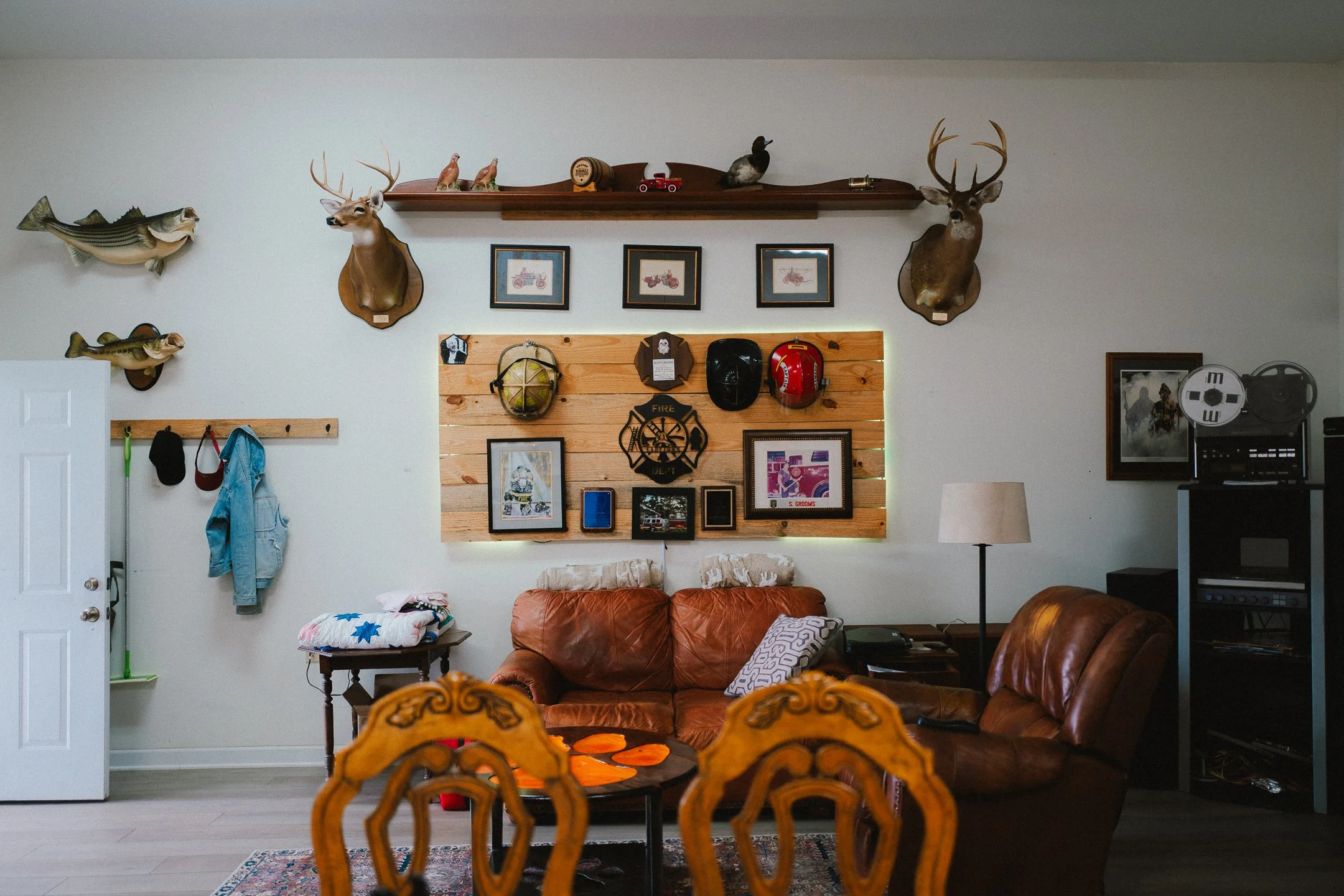
Continue past the Grown Folks Lounge and over the canal that splits Lake Marion from Lake Moultrie, and you’ll know you’re getting close. This stretch of the Lowcountry lives around the two lakes, where the flat water is home to catfish and otters swim near the docks. You’d be hard-pressed to drive a country mile without seeing a sun-faded sign promising bait, cold beer, and hot dogs. One of those old signs now hangs in Grooms’ shop- a reminder of his grandfather’s store and the memories built in Eadytown, and on the water, together.
“The most challenging calls sometimes happen in the most remote areas.”
Grooms grew up in the Eadytown community he still calls home, now serving as Operations Chief for the North Berkeley Fire District. He entered the fire service in 1989 as a paid firefighter with Goose Creek and spent more than 24 years running medical calls across Berkeley County as a paramedic, all while never losing his love for the volunteer service.
He talks about the fire service with passion and pride in the job- the kind that doesn’t fade after decades of calls, late nights, and long drives home.
“My dad was a station chief before I was at Eadytown Fire Department. Started in 1981. Technically, I would be the third fire chief the departments ever had. Being around the fire service since I was a kid, you just always kind of like have a love for it, and then you get into it. Obviously, I got into the EMS side as well, but I’ve always had a strong tie back to the fire side. I really, really enjoyed volunteering for my community. Probably the most rewarding part is knowing that you can help somebody in their time of need. They’re not really having a good day, so being able to show up and help fix some of their problems to a degree - that’s always a big plus. So that’s always pretty neat, to be able to see somebody, you know, live a full life. And over the years, working some cardiac arrest or something like that, and you get somebody back, and then you see them on the street, you know, months down the road. And be like, ‘Hey,’ and I recognize that guy - we saved him. So that’s always pretty cool.”
He pauses briefly, then adds:
“Most of the families out here, we know of them. So, we respect each other and watch out for each other’s stuff in the rural areas.”
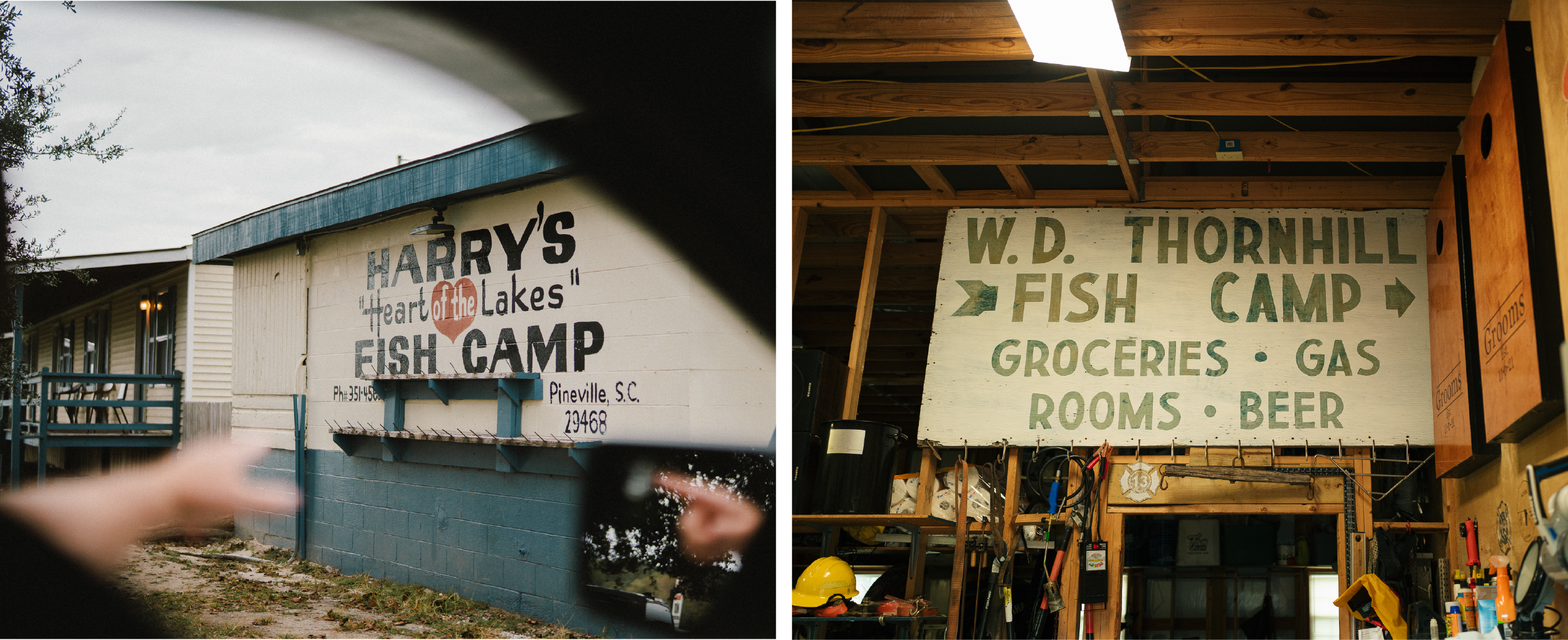
Harry’s Fish Camp
While driving through Eadytown, Grooms reflects on how much the area he loves has changed over the years. His words carry the kind of nostalgia that only comes from knowing every bend in the road and every name on a mailbox.
“You know, people came down here to stay and fish. This was the store on the front, and my grandparents lived in the back of the store. And it sucks seeing it at this level, but it just shows you how businesses change, how a community changes, how things change.
This was the old store that belonged to one of my great uncles. They’re redoing it now. Again, a little fish camp. You see the store, the little motel units. This little building right here - this was owned and operated by Mr. Hill. When I was a kid, we’d walk up and down the streets, ride our bicycles, and come through here, and, you know, go in the store and get a soda or whatever.
We’re getting ready to come up on another one. We used to call it the Red Barn. Mr. Carson and Linda used to own that place. It’s not red now, but, you know, she had a small restaurant down there and cooked real good hamburgers, and we played pool and stuff down in there.
We’re getting ready to go to Harry’s Fish Camp. Most people know the name. It’s right by the lake and Santee Cooper, the big power company here. Out here, we know most families - many have been here for years, working at the local plants.”
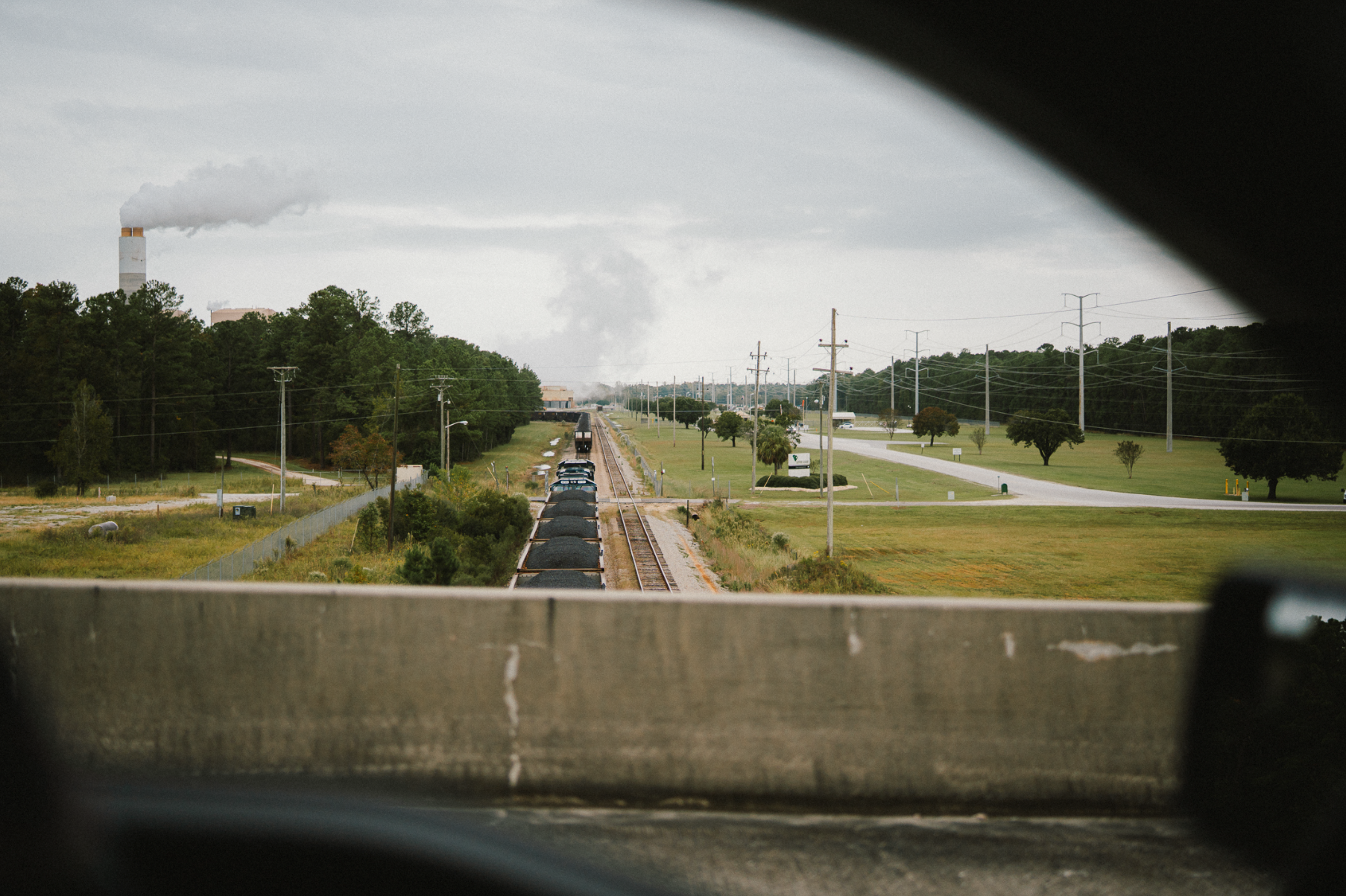
As the tires of his F-150 hum over the asphalt, Grooms passes more of the old fish camps that line the backroads of Eadytown. The truck rattles across the coal-laden train tracks that lead toward the Cross Generating Station, and the conversation turns from memories to one call he’ll never forget.
“It definitely was a call to remember most. Like I said, those other senior guys, they said that they had never been to that.”
It was a cool morning on September 25, around 7:45 a.m. Chief Grooms was out driving to do a post-incident analysis on a structure fire they’d worked the night before - then the tones dropped. Outside of the Eadytown district, a message came over the radio. One of those high-risk, low-frequency calls that gets your blood pumping.
“Structural collapse with two people trapped - no further information.”
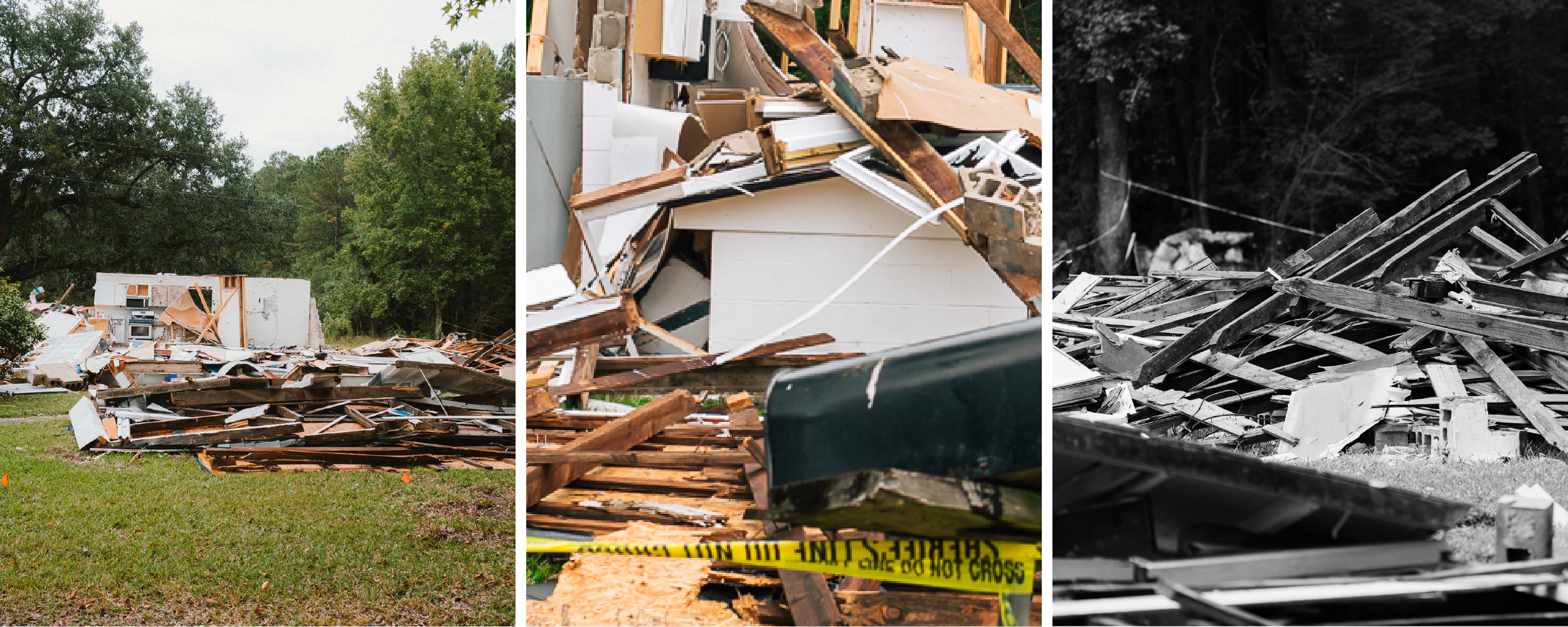
Chief Grooms immediately swung his truck toward Cordesville and put it in the wind, as did the first engine from Cordesville. When he arrived on scene, he took in the sight of a single-story home that had exploded and now sat flat on its foundation, one lone wall still standing. There was one engine, an EMS unit, and he was the first chief officer.
Stay Ready
“I knew we were gonna have our hands full because this was not a call that you get every day. In my 30-plus years of working in the field, that was my first true residential, complete collapse that we had been to.
They made contact with the patients, each in a different part of the debris.
It made operations a little tricky because we had two rescues that had to go on. And simultaneously, during that, we ended up having a smoldering fire come back up. We already had a line on the ground from the fire engine. A chief that was assigned to that sector for fire suppression reported back to me, ‘Chief,’ he says, ‘I’m having a hard time getting to the location where the fire was smoldering and starting to kick back up.”
And that’s when I realized, ‘You know what? I just put the Enforcer 10 model in my truck,’ and I had it ready to go.
For those unfamiliar, the Enforcer 10 is a compressed-air foam system (or CAFS) which is built to throw a wall of protection between fire and fuel. North Berkeley picked theirs up at the Myrtle Beach Fire & Rescue Show from Safe Industries. Chief Grooms had modified his to fit in the bed of his chief’s truck - along with a Gatorade bottle of foam.
“I went over to my truck, and I said, ‘I need one more person.’ They had to use a ladder to get across a little wall and get down into the tight space. And they were able to extinguish the fire with that Enforcer 10 unit. It was in service for less than a week after purchasing it.”“So afterwards, the guy who helped me was like, ‘Dang, where did you get that thing from? It worked great.’ It just ended up really working out easily. We deployed it, and it was what I call a tool in the toolbox. You might go to 10 calls, and you might only use one tool, but you go to an 11th call, and you need that specialty tool that you might have on the truck that you might not have hardly ever used before. But that one specialty tool ends up being the key to either making or breaking and having success at that call.”
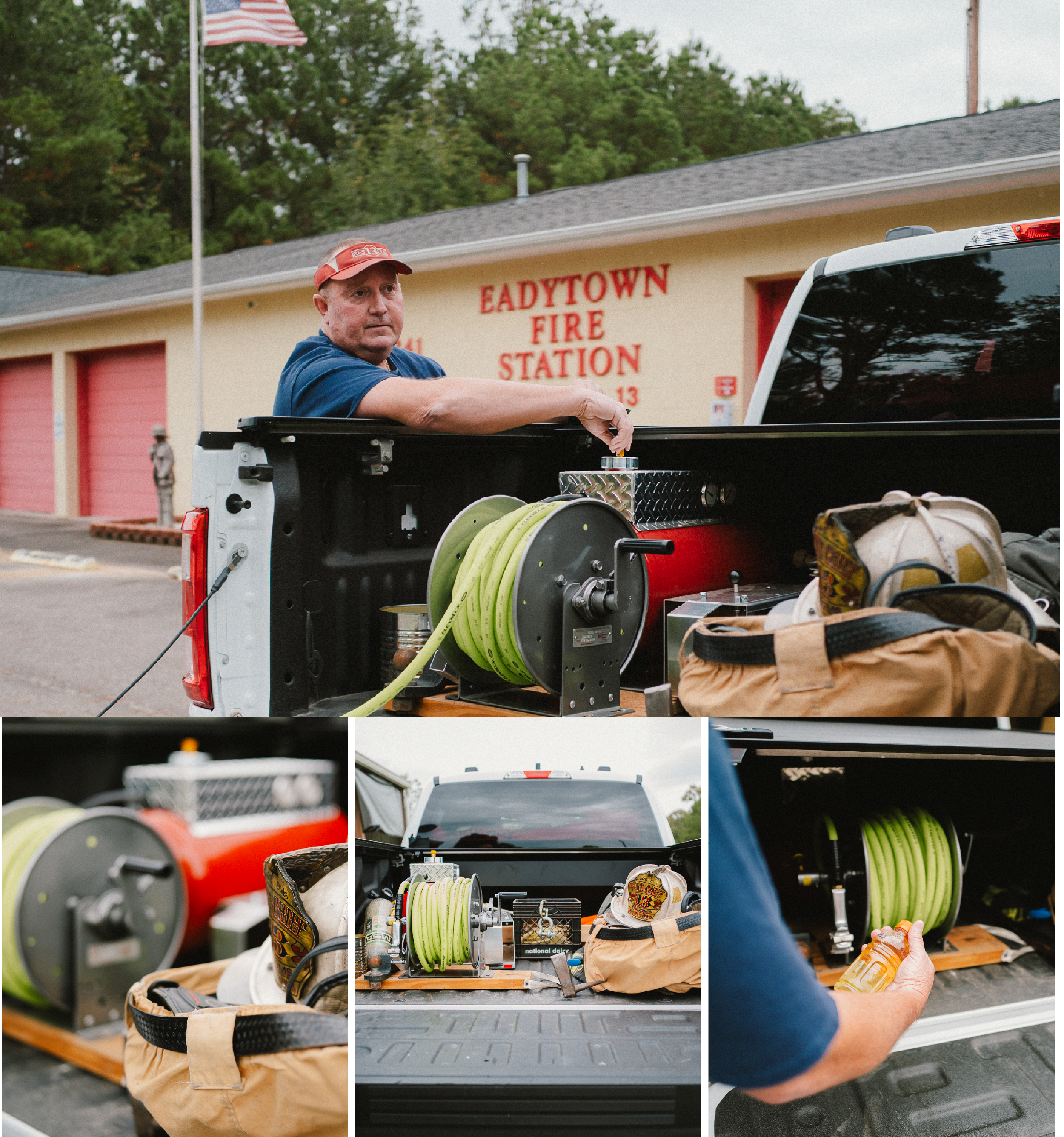
“It was something that you wouldn’t think of every day but given a tight space and an area that we needed to address the fire - you know, because we still had people trapped - I wanted to make sure we got that fire out. ’Cause I had live lines still connected to the house. The meter box where it went in, you know, all that wall and everything was blown over. So, you couldn’t go over there and say, ‘Let’s pull the meter and isolate.’ The power wasn’t gonna happen. You don’t say ‘time out,’ and you don’t wait for the power company to get there. Now you have a fire starting to spark up and smoke, and smolder again.”
Goose Creek and Summerville arrived before any victims were removed and immediately joined the effort.
“It was an all-hands-on-deck, and we did not have any hiccups or issues. When people reported to the scene, they funneled through the command level and basically said, ‘Hey, what do you need?’ You know, we plugged people in to where they were needed, and things happened very quickly. It was a lot of work. But, you know, everybody worked together and took care of business. Both chief officers from the City of Goose Creek and Summerville - Chief Savage and Chief Gillespie - we’re sitting around kind of talking, doing a hot wash. And both of those guys said, ‘Scott, we have never been to this incident - a true residential collapse with people trapped just like that.’ So, they were pretty impressed with how well things went, especially given the fact that we’re in a rural area.”
His voice softens.
“You can’t save everybody. But, you know, we rescued both that day. It’s just unfortunate that one of the ladies passed away the next day from her injuries. It was a very serious call.”
Chief Grooms sat for a moment, thinking about the call, the people, and the work they do every day. Then he offered a bit of advice - steady and simple, the kind that sticks.